Advancements in International Transactions Opening New Gaming Avenues for UK Residents
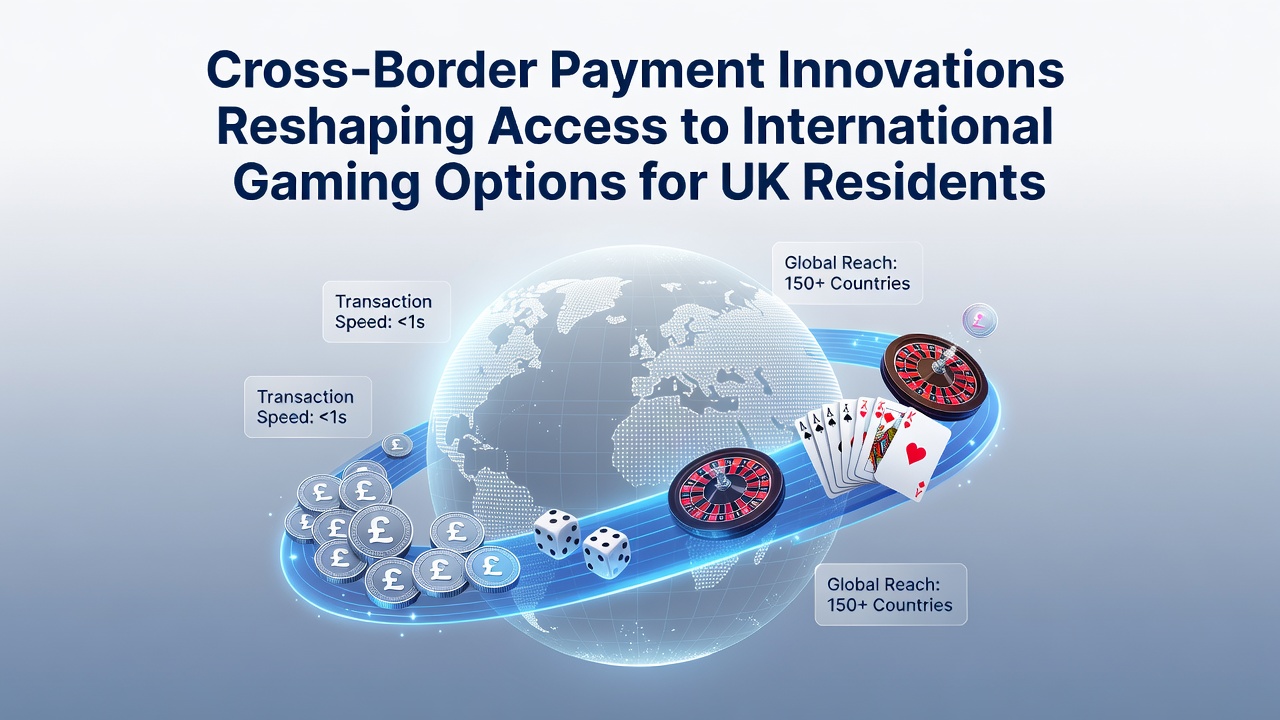
Cross-border payment innovations continue to reshape how UK residents engage with international gaming platforms, as new transaction technologies reduce traditional barriers like currency conversion delays and banking restrictions. These developments build on established systems while introducing faster settlement methods that allow direct access to operators based outside the United Kingdom.
Stablecoin transfers and blockchain-based rails have gained traction in recent years, enabling players to move funds without relying solely on domestic banks that often flag gaming-related activity. Data compiled through mid-2026 shows increased adoption rates among UK users seeking sites licensed in jurisdictions such as Malta and the Isle of Man, where operators accept multiple digital currencies alongside traditional methods.
Key Technologies Driving Access Changes
Real-time payment rails like those promoted by the European Payments Council have expanded compatibility with gaming merchants, cutting settlement times from days to seconds in supported corridors. Observers note that UK residents now complete deposits to European operators through SEPA Instant Credit Transfers, which bypass some legacy card network fees that previously deterred smaller transactions.
Multi-currency digital accounts from providers integrated with open banking frameworks further simplify international play by holding balances in euros or US dollars, avoiding repeated conversion costs during sessions. Researchers tracking transaction patterns in August 2026 documented a measurable uptick in such accounts linked to gaming activity, particularly among users accessing platforms in Canada and Australia.
Regulatory and Infrastructure Shifts
Authorities in multiple regions have updated guidelines around virtual asset service providers, creating clearer pathways for compliant cross-border flows. A report from the Bank for International Settlements highlights how these updates reduce friction for users in regulated markets like the UK when connecting to overseas gaming environments that accept verified digital assets.
API-driven integrations between fintech firms and gaming operators also play a central role, allowing seamless verification and transfer processes that comply with anti-money laundering standards across borders. Those monitoring industry data report that such connections have grown steadily since 2024, supporting higher volumes of international gaming participation from UK addresses.
Regional Examples and Adoption Patterns
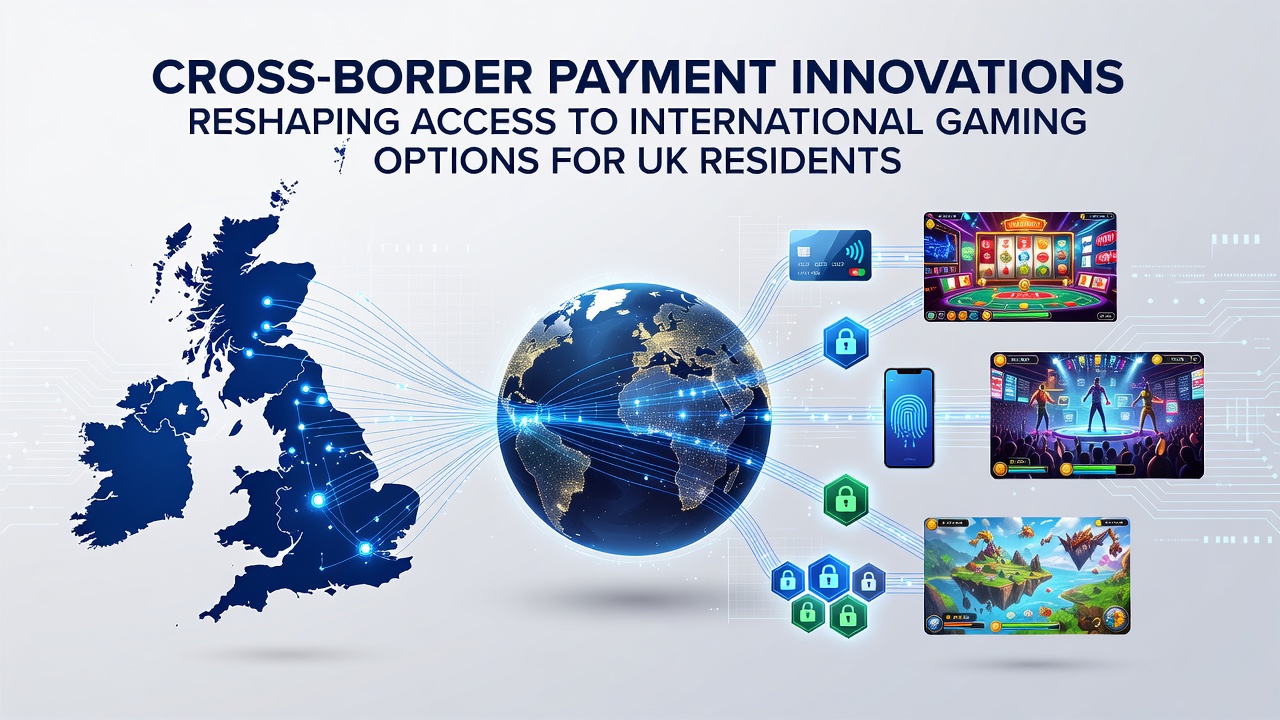
UK residents exploring options in the European Economic Area benefit from harmonised payment rules that support instant transfers, while connections to North American platforms often rely on cryptocurrency gateways or specialised e-wallet services. Figures from industry analyses indicate that transaction success rates for these routes improved noticeably by August 2026, reflecting better infrastructure alignment.
One case involves users leveraging stablecoin networks to fund accounts at operators licensed under the Kahnawake Gaming Commission in Canada, where traditional bank wires once posed delays. Payment processors have since streamlined these flows, reducing the steps required and aligning with UK consumer protection expectations around transparency.
Similar patterns appear with Australian-facing sites that accept multi-currency wallets, allowing UK players to avoid unfavourable exchange rates during peak periods. Research indicates these methods maintain audit trails suitable for tax reporting, an important factor for participants managing cross-border activity.
Security and Compliance Considerations
Enhanced encryption protocols and tokenisation now underpin most cross-border gaming transactions, limiting exposure during transfers between UK-based users and foreign operators. Experts tracking security incidents note fewer reported cases tied to payment interception as these standards spread through the sector.
Collaboration between payment service providers and international gaming associations has produced shared verification tools that help confirm operator legitimacy before funds move. According to materials from the International Monetary Fund, such cooperative frameworks support safer expansion of access while addressing risks associated with unregulated channels.
Conclusion
Payment innovations continue to expand practical options for UK residents pursuing international gaming, with faster rails, digital currencies, and integrated compliance tools forming the core of recent progress. Ongoing infrastructure developments suggest further refinements ahead, particularly as regulatory bodies in different jurisdictions refine their approaches to cross-border flows.