UK Gambling Commission Rolls Out Sweeping 2026 Reforms to Strengthen Protections

By May 2026 the UK Gambling Commission has moved forward with a package of regulatory reforms first outlined in the 2023 Gambling White Paper, and operators now face new tax rates along with tighter controls on player activity. These measures include an increase in Remote Gaming Duty to 40 percent starting April 1, the complete removal of Bingo Duty, tiered stake limits on slots, a prohibition on mixed-product bonuses, and affordability checks that trigger at £150 deposits.
The changes aim to bolster consumer safeguards while addressing competition from unlicensed offshore sites, and the Commission has secured additional resources to support enforcement efforts. Industry observers note that the reforms represent one of the most significant overhauls in recent years, affecting remote casinos, bingo halls, and slot providers across the licensed market.
Origins in the 2023 White Paper
The reforms trace directly back to proposals developed after extensive consultation on the 2023 Gambling White Paper, which examined ways to modernize oversight of the remote sector. Policymakers focused on balancing growth in digital gaming with measures that reduce harm, and the resulting framework received parliamentary backing before implementation began in early 2026. Data from the Commission shows that remote gaming revenues had expanded steadily in the preceding years, prompting calls for updated taxation and player-protection rules that reflect current market conditions.
Stakeholder submissions during the White Paper process highlighted concerns over stake sizes for younger adults and the appeal of bonus structures that combine different game types. Those discussions shaped the specific limits and restrictions now in force, while separate analysis identified gaps in affordability monitoring that the new checks seek to close.
Key Tax and Duty Adjustments
Remote Gaming Duty rises from 21 percent to 40 percent from April 1 onward, applying to all licensed remote operators and altering the cost structure for online casinos and slots platforms. At the same time Bingo Duty ends entirely, removing a long-standing levy that had applied to both land-based and digital bingo operations. The dual approach adjusts fiscal burdens across different product categories, with remote gaming absorbing a larger share while bingo receives relief.
These fiscal shifts coincide with broader government efforts to fund public services through gambling-related revenues, and early figures indicate operators have begun adjusting pricing models and promotional strategies to accommodate the higher duty rate. The Commission continues to monitor compliance through routine returns and audits.
Stake Limits and Bonus Restrictions
Tiered stake limits now cap maximum bets at £2 per spin for players aged 18 to 24 and £5 for those 25 and older, applying across licensed slot games. The age-based structure reflects data on differential risk profiles, and operators have updated their platforms to enforce the caps through account verification systems. Mixed-product bonuses, which previously allowed players to combine rewards across slots, table games, and other categories, face a full ban under the new rules.
Implementation requires clear separation of promotional offers, and the Commission has issued guidance clarifying what constitutes an acceptable single-product incentive. Licensed sites have rolled out revised bonus menus that comply with the restriction, while players encounter fewer cross-category promotions when accessing their accounts.
Frictionless Affordability Checks
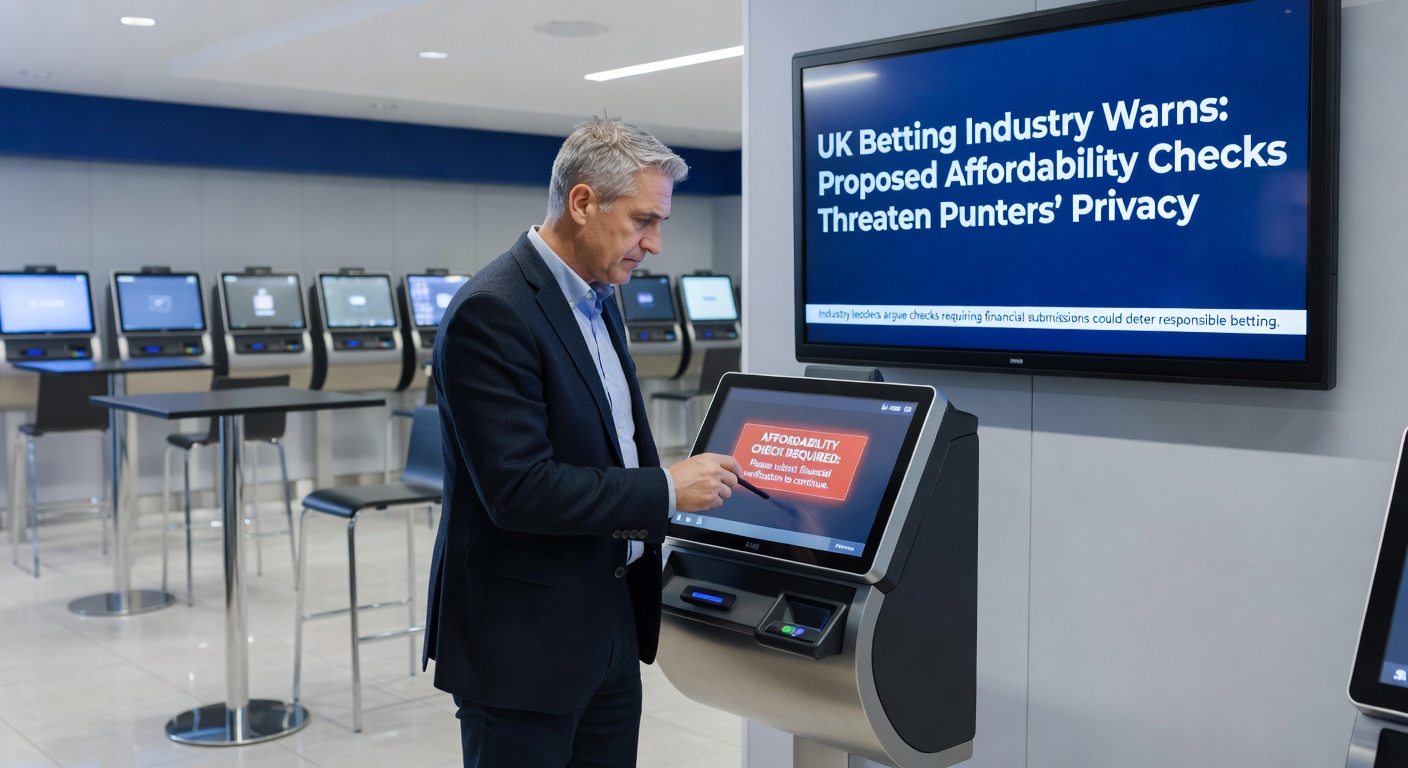
Affordability assessments now activate automatically once deposits reach £150 within a defined period, using data already held by operators to evaluate spending patterns without requiring additional player input. The frictionless design minimizes disruption for those who stay below the threshold, yet it flags accounts that show rapid escalation for further review. Operators integrate these checks into existing systems, drawing on transaction histories and deposit velocity metrics.
The Commission reports that early deployment has identified cases where spending outpaced income indicators, prompting interventions such as deposit limit adjustments or mandatory breaks. Licensed operators share aggregated data on check outcomes, allowing regulators to track overall effectiveness across the market.
Enforcement Funding and Offshore Competition
The Commission received £26 million in dedicated funding to strengthen enforcement against illegal offshore gambling sites. This allocation supports expanded monitoring tools, intelligence sharing with international partners, and targeted actions against platforms that target UK players without a license. Officials have linked the investment to the broader goal of leveling the playing field between regulated domestic operators and unregulated competitors.
Traffic analysis conducted by the Commission shows continued visits to unlicensed domains, and the additional resources enable faster takedown requests and payment blocking measures. Licensed operators have welcomed the focus on illegal activity while adapting to the new compliance requirements at home.
Industry Adaptation by Mid-2026
By May 2026 most major operators have completed platform updates to reflect the stake caps, bonus rules, and deposit monitoring thresholds. Smaller providers report higher relative costs associated with system changes, yet all licensed entities must demonstrate adherence during routine inspections. Trade bodies have circulated compliance toolkits that outline record-keeping standards for the new affordability regime.
Revenue reports from the first quarter under the higher Remote Gaming Duty rate are now being prepared, and analysts expect the figures to reveal initial effects on operator margins alongside any shifts in player volumes. The Commission continues to publish quarterly updates that track both licensed market performance and estimates of offshore activity.
Conclusion
The 2026 regulatory package consolidates several strands of policy that originated in the 2023 White Paper, delivering simultaneous changes to taxation, product rules, and player safeguards. With enforcement resources increased and operational adjustments largely complete, the focus now shifts to measuring outcomes through ongoing data collection and market surveillance. Licensed operators, players, and regulators alike operate within the updated framework, while efforts to curb illegal offshore offerings continue through the newly funded initiatives.