Black Market Fears Grip UK Betting as Affordability Checks Ignite Industry Revolt
Black Market Fears Grip UK Betting as Affordability Checks Ignite Industry Revolt

The Push for Stricter Affordability Checks
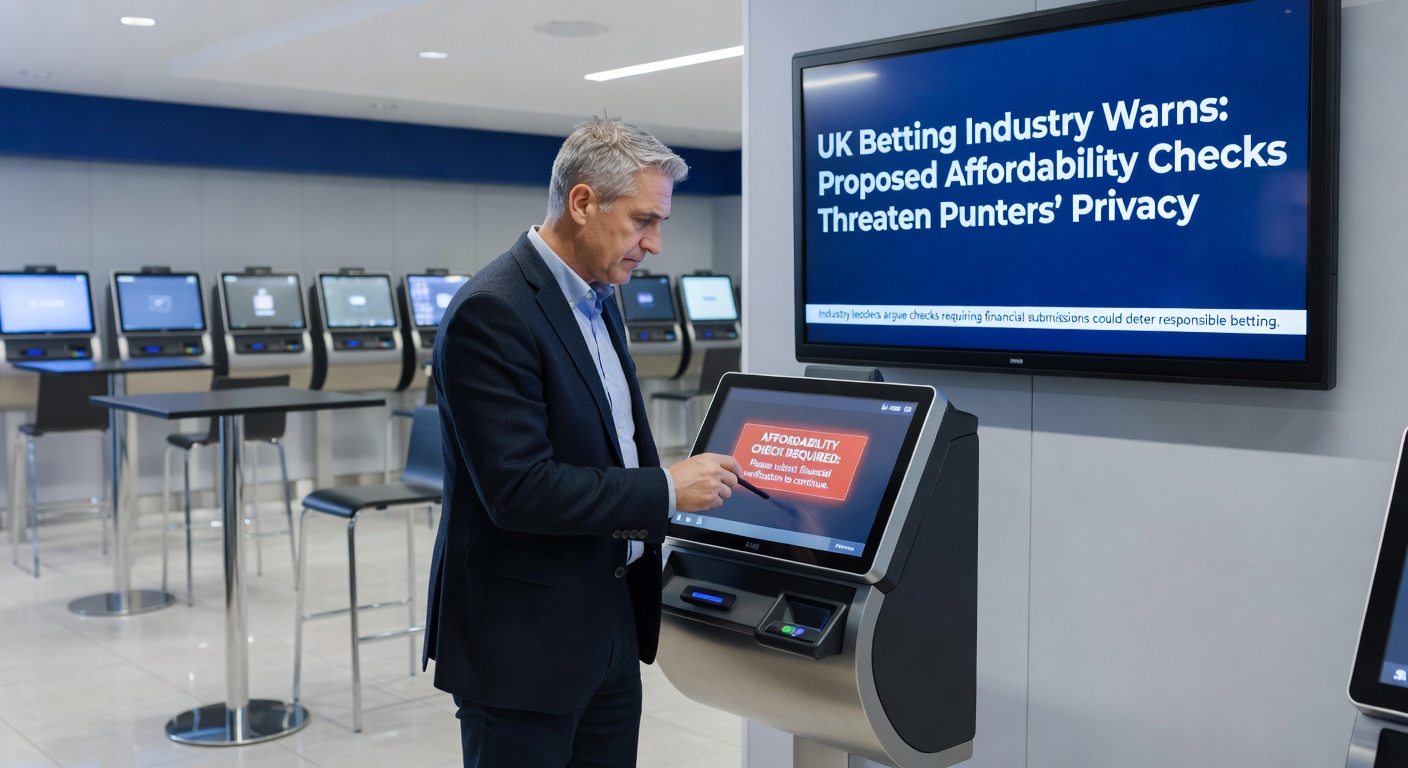
Proposed affordability checks in the UK betting sector demand that punters submit sensitive financial documents like bank statements and payslips before placing bets, a measure set for full compliance by Q3 2026; yet industry leaders warn this could shove customers straight into unregulated black market territory. The Betting and Gaming Council, representing major operators, commissioned a YouGov poll revealing that 65% of bettors refuse to comply with such intrusive requirements, highlighting a stark divide between regulators' intentions and players' realities. Data from this survey underscores how everyday punters view these checks not just as a hassle, but as a barrier too high to jump, potentially fracturing the regulated market that's thrived under current oversight.
What's interesting here is the timing; these checks emerge from the 2023 Gambling Act Review White Paper, part of sweeping reforms aimed at curbing gambling harm, although critics argue they overlook practical fallout for both players and businesses. Operators point out that verifying income through endless paperwork doesn't align with the digital speed of modern betting, where a quick wager during a match halftime shouldn't hinge on digging up last month's payslip. And while regulators push forward, the industry's alarm bells ring louder, especially with the Remote Gaming Duty slated to climb to 40% starting April 1, 2026, piling financial pressure on licensed firms already navigating tighter rules.
Punter Pushback in Polls and Surveys
An internal Gambling Commission survey, drawing from over 12,000 respondents, paints an even bleaker picture, with 77% expressing outright opposition to the affordability checks; figures like these don't lie, showing widespread resistance among those who fuel the £14 billion-plus UK gambling economy. People who've taken these polls often describe the process as dehumanizing, akin to applying for a loan just to enjoy a flutter on the horses, and that's where the rubber meets the road for everyday bettors balancing entertainment with privacy.
Take the YouGov findings: among regular punters, that 65% unwillingness stems from concerns over data security and sheer inconvenience, since uploading personal finances to prove one can afford a £10 bet feels disproportionate; observers note similar sentiments echoed across forums and social channels, where players share stories of abandoning accounts over less invasive ID checks. But here's the thing—these aren't fringe voices; they represent the core customer base that keeps sportsbooks humming from Premier League weekends to Cheltenham Festival peaks. Researchers who've analyzed such data discover patterns where heavy opposition correlates with higher engagement levels, meaning the checks risk alienating precisely those the industry relies on most.
Industry heavyweights aren't sitting idle either; the Betting and Gaming Council has amplified these poll results in public warnings, cautioning that black market operators—unburdened by UK taxes or checks—stand ready to scoop up displaced punters with promises of anonymity and ease. Turns out, this isn't mere speculation; historical precedents from other regulated markets show traffic spikes to offshore sites whenever compliance walls rise too high, and UK stakeholders fear a repeat as Q3 2026 looms.
Horseracing Heavyweights Join the Fray
Now, enter the horseracing sector, where 408 key figures—including trainers, owners, and stable staff—have penned a direct plea to Culture Secretary Lisa Nandy via the British Horseracing Authority, urging an immediate pause on the rollout; these aren't casual bettors but lifelines of the sport, since betting turnover funds over 80% of British racing's prize money and operations. Experts have observed how such levies from on-course and remote wagering sustain tracks from Ascot to Aintree, so any dip in shop footfall or online stakes hits hard, potentially leading to fewer races and job losses in rural economies.
Those who've studied the industry's economics know that affordability checks could throttle high-rollers who drive premium betting pools, while casual fans balk at paperwork; one trainer highlighted in reports how a single big-meet day generates millions in levies, yet new hurdles might scatter that revenue to unlicensed apps thriving beyond UK borders. And with the Remote Gaming Duty hike kicking in April 1, 2026—jumping from 21% to 40% on remote operators' profits—the double whammy leaves licensed firms squeezed, unable to compete on price or privacy with black market alternatives that dodge all taxes and scrutiny.
Regulatory Context and Broader Reforms
The 2023 Gambling Act Review White Paper laid groundwork for these changes, mandating frictionless yet firm safeguards against harm, but implementation details have sparked friction; affordability checks form one pillar, alongside stake limits and enhanced self-exclusion tools, although punter surveys reveal compliance fatigue setting in early. Data indicates that while harm prevention metrics improved post-2019 credit card bans, this latest layer risks overreach, pushing moderate gamblers toward riskier unregulated spaces where no protections exist.
So, as April 2026 approaches with its tax escalation, operators face a perfect storm: higher duties erode margins, forcing potential price hikes on odds or bonuses, while checks deter sign-ups; the British Horseracing Authority's letter emphasizes this synergy, noting how combined pressures could shrink the levy pot by tens of millions annually. People in the know, from Westminster insiders to trackside economists, watch closely, since horseracing employs thousands and contributes billions indirectly through tourism and supply chains.
It's noteworthy that the Gambling Commission's own survey aligns with industry polls, with 77% opposition signaling regulators might need to recalibrate; yet momentum builds toward Q3 2026, unless Nandy's intervention shifts gears. Observers point to trial phases where early checks caused drop-offs in active accounts, a trend that black market sites exploit with zero-document entry and crypto payments—smooth for users, disastrous for UK revenue.
Potential Fallout and Stakeholder Stakes
Black market migration isn't hypothetical; past crackdowns in Australia and parts of Europe saw licensed revenue plummet 20-30% initially, with punters flocking to unlicensed platforms offering better odds minus the red tape; UK figures could mirror this if 65-77% resistance holds firm. And while the government eyes £1 billion-plus in extra Remote Gaming Duty post-April 2026, industry math suggests lost volume from fleeing customers might offset gains, leaving taxpayers shortchanged too.
Horseracing's 408 signatories represent a united front rarely seen, from Newmarket stables to Cheltenham powerhouses, all betting their livelihoods on pausing reforms; their letter details how affordability tiers—flagging "problem" spend at £1,000 monthly—ignore context like winnings or disposable income, leading to blanket restrictions that feel arbitrary. Turns out, players who've tested beta versions report abandoning bets mid-event over verification prompts, handing edges to unregulated rivals.
But the conversation extends beyond polls; stakeholders like the BGC advocate frictionless alternatives, such as AI-driven spend analytics without docs, a model trialed successfully in Sweden where compliance stayed high sans backlash. Data from those pilots shows harm rates dropping without mass exodus, offering a path regulators might yet explore amid mounting pressure.
Where Things Stand Heading into 2026
As Q3 2026 deadlines near and April's tax rise reshapes ledgers, the UK's betting landscape teeters on reform's edge; punter polls, commission surveys, and horseracing pleas converge on one message—affordability checks, while well-intentioned, risk unintended black market booms that undermine safer gambling goals. Culture Secretary Nandy holds the cards, with industry watching for signals of pause or pivot; until then, licensed operators brace for turbulence, hoping data-driven tweaks preserve the balance between protection and participation that keeps the sector spinning.
Figures reveal the stakes: billions in turnover at risk, thousands of jobs in play, and a regulated market's integrity on the line; those who've navigated past overhauls know flexibility often wins, turning potential revolts into refined rules that stick. The writing's on the wall for dialogue, as black market shadows lengthen without it.