Coordinating Deposit Channels with Boundary-Setting Mechanisms in Digital Bingo and Slot Operations
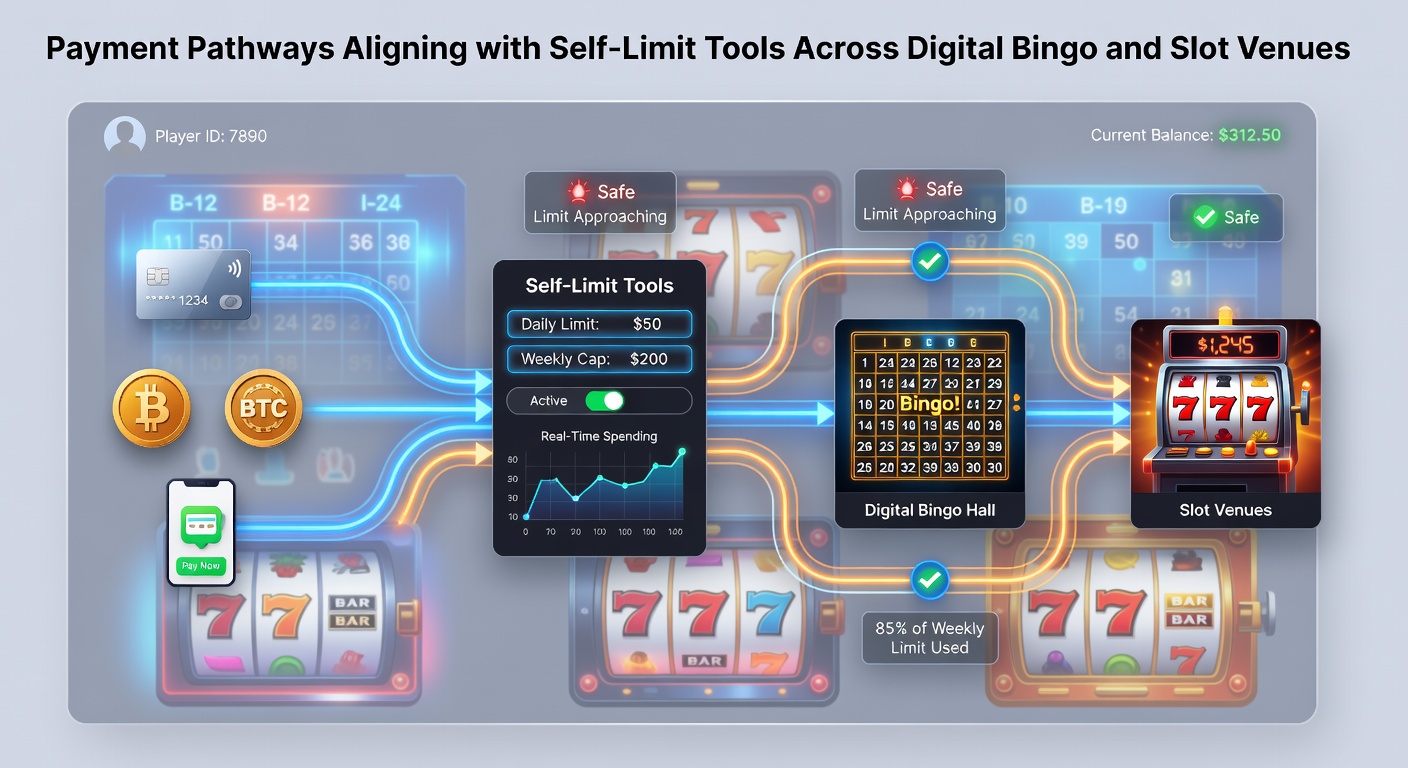
Payment systems in online bingo and slot environments have evolved to incorporate direct connections with self-limit functions that allow users to establish personal boundaries on deposits, session lengths, and overall spending; these alignments occur through API integrations that trigger automatic checks at the point of transaction. Data from industry reports shows that platforms using unified payment and limit frameworks experience reduced instances of users exceeding preset thresholds because the system blocks or flags transactions in real time when limits near activation. Observers note that common deposit methods such as bank transfers, e-wallets, and card payments now feed directly into limit databases rather than operating as separate modules.
Core Components of Payment Pathways
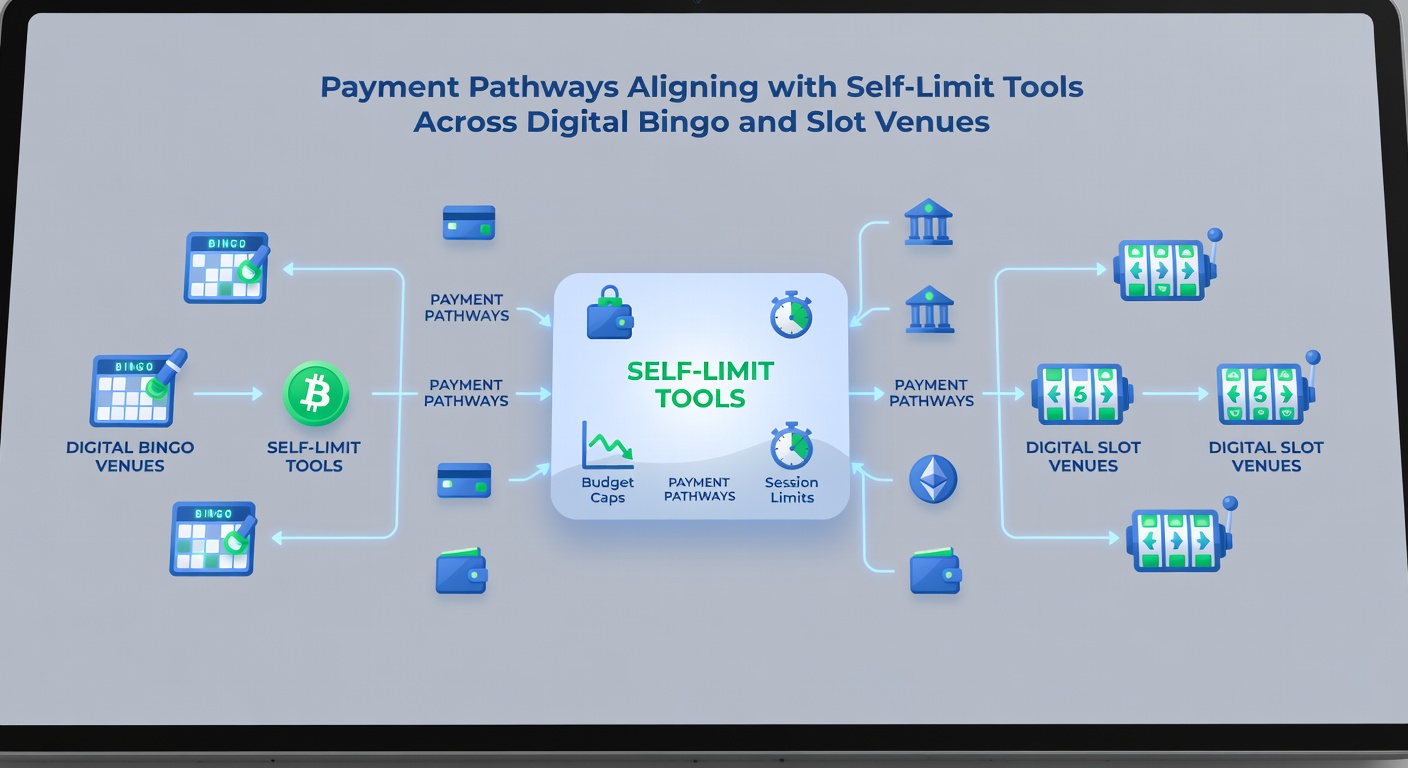
Payment pathways consist of multiple layers including authorization gateways, fraud detection layers, and reconciliation systems, and when these pathways connect with self-limit tools the result is a single workflow that validates both financial details and user-defined restrictions simultaneously. Researchers discovered through platform audits that e-wallet providers often embed limit parameters at the account creation stage so that any future deposit attempt references stored boundaries without requiring separate verification steps. Slots venues tend to favor instant payment rails like digital wallets because they process faster than traditional bank transfers while still routing through the same limit enforcement engine that bingo rooms employ.
Self-Limit Tools and Their Technical Integration
Self-limit tools range from daily deposit caps and weekly loss thresholds to mandatory cooling-off periods after extended play sessions, and integration happens when payment processors query a centralized limit service before approving funds movement. In May 2026 several operators completed upgrades that standardized these queries across bingo and slot products so that a single user profile applies consistent rules regardless of game type. Studies found that platforms employing real-time API calls between payment systems and limit databases recorded higher compliance rates because users receive immediate notifications when approaching boundaries rather than after-the-fact summaries.
Examples Across Bingo and Slots
Take one operator that linked its bingo room deposit flow to session timers so that a player setting a 60-minute limit automatically triggers a payment hold once that window closes. Similar setups appear in slot environments where progressive jackpot contributions pause if the user has activated a spending cap for the calendar month. Those who've studied these systems know that the technical handshake relies on standardized data fields that both payment providers and game servers recognize, which reduces latency during high-volume periods like evening peak hours.
Regulatory and Industry Developments
According to figures released by the European Gaming and Betting Association, operators across multiple jurisdictions reported increased adoption of unified payment-limit architectures during the first quarter of 2026. The same report indicates that bingo platforms showed slightly higher integration rates than slot-only sites, likely because bingo sessions often run on fixed schedules that pair naturally with time-based limits. A separate analysis from Canadian regulatory summaries highlights how provincial frameworks encourage similar alignments without mandating identical technical standards, allowing operators flexibility in choosing e-wallet partners that already support limit APIs.
What's interesting is the role of third-party limit management services that sit between payment gateways and gaming servers; these services maintain independent records so that even if a user attempts deposits through multiple channels the aggregate total still respects the chosen boundary. Data shows that multi-channel users benefit most from such middleware because fragmented payment histories no longer bypass individual site limits. Researchers discovered that when these services operate across both bingo and slot products, cross-game spending visibility improves and users gain clearer overviews of total activity.
Security and Verification Layers
Security protocols now require that any payment attempt also validates the current status of self-imposed restrictions, which adds an authentication step without significantly extending transaction times. Observers note that biometric checks on mobile apps often double as confirmation for both payment authorization and limit adherence, creating a streamlined user experience. In practice this means a player who has set a monthly cap receives an alert via the same interface used for deposit confirmation rather than a separate notification system.
One study revealed that sites combining these functions saw fewer support tickets related to limit disputes because the system prevents transactions outright instead of requiring manual intervention after the fact. Slots venues in particular benefit from this approach during bonus round sequences where rapid deposits might otherwise occur; the integrated pathway pauses the sequence until the user adjusts or confirms the limit status.
Conclusion
Payment pathways that align with self-limit tools create a cohesive framework where financial transactions and personal boundaries operate through shared infrastructure rather than isolated processes. Evidence from multiple regions shows continued movement toward these unified systems as operators update platforms to meet both user expectations and technical standards. Those monitoring developments in May 2026 observed further refinements in API connectivity that support consistent enforcement across bingo and slot products without introducing unnecessary complexity for end users.