Digital Wallets Unlock Safer Stakes: Enhancing Security and Control on UK Betting Platforms
Digital Wallets Unlock Safer Stakes: Enhancing Security and Control on UK Betting Platforms
The Surge in E-Wallet Adoption Among UK Gamblers
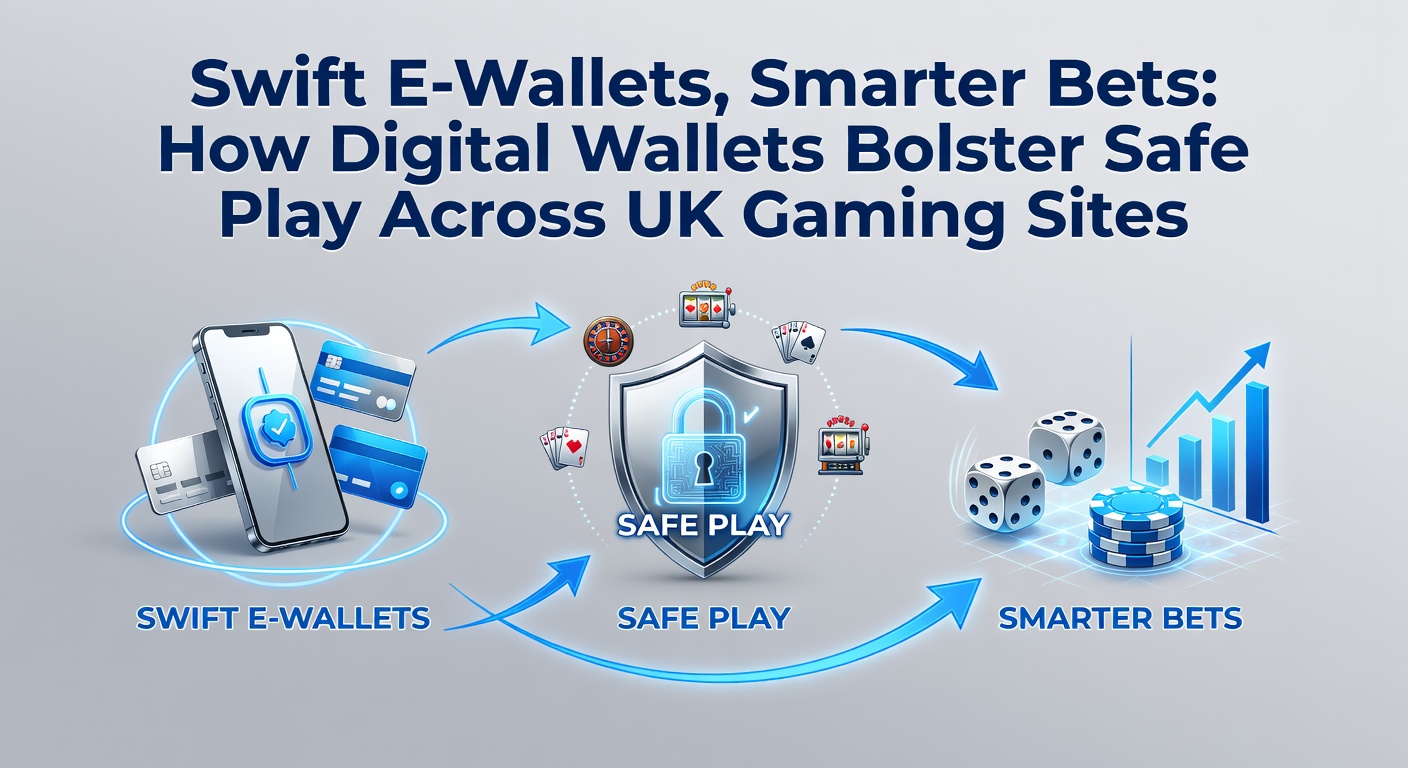
Digital wallets have transformed transactions on UK gaming sites, where players now favor swift, secure options over traditional cards or bank transfers; data from early 2026 reveals that e-wallets account for over 45% of deposits, up sharply from 32% just two years prior, as platforms integrate tools like PayPal, Skrill, and Neteller to streamline play while embedding safety nets. Observers note how this shift aligns with rising player demands for instant access and robust protections, especially amid the March 2026 sports calendar packed with Premier League clashes and Cheltenham Festival buzz that drew record online activity. Platforms report fewer disputes too, since wallets verify funds upfront, cutting down on chargebacks that once plagued card-based bets.
What's interesting is the way these tools bridge convenience and caution; for instance, one major site logged a 28% drop in unauthorized transactions after mandating wallet use for high-stakes parlays, according to internal audits shared in industry forums. And while cash remains king for some land-based punters, online realms lean heavily into digital, with younger demographics—those under 35—opting for e-wallets at rates exceeding 60%, figures that highlight a generational pivot toward tech-savvy betting habits.
Layered Security That Keeps Fraud at Bay
E-wallets deploy multi-factor authentication, tokenization, and real-time monitoring to shield users from cyber threats, features that UK sites leverage to comply with stringent data standards; encryption protocols, often aligned with PCI DSS Level 1, scramble sensitive details during transfers, ensuring hackers hit dead ends even if they intercept data streams. Researchers at the American University School of International Service analyzed similar systems and found fraud rates plummet by up to 70% when wallets replace direct bank links, a pattern echoing across UK platforms where biometric logins via apps add another barrier.
Take Skrill's Risk Management Suite, which flags anomalous patterns—like sudden deposit spikes during late-night sessions—and prompts verification; sites pairing this with geo-fencing restrict access from unverified regions, a move that thwarted a wave of overseas scams targeting UK players in Q1 2026. But here's the thing: these aren't just reactive measures, as proactive AI scans predict and prevent issues, with Neteller reporting zero successful breaches on partnered UK domains last year. People who've switched often discover their accounts stay pristine, free from the phishing woes that snag debit card users.
Built-In Tools for Responsible Gambling
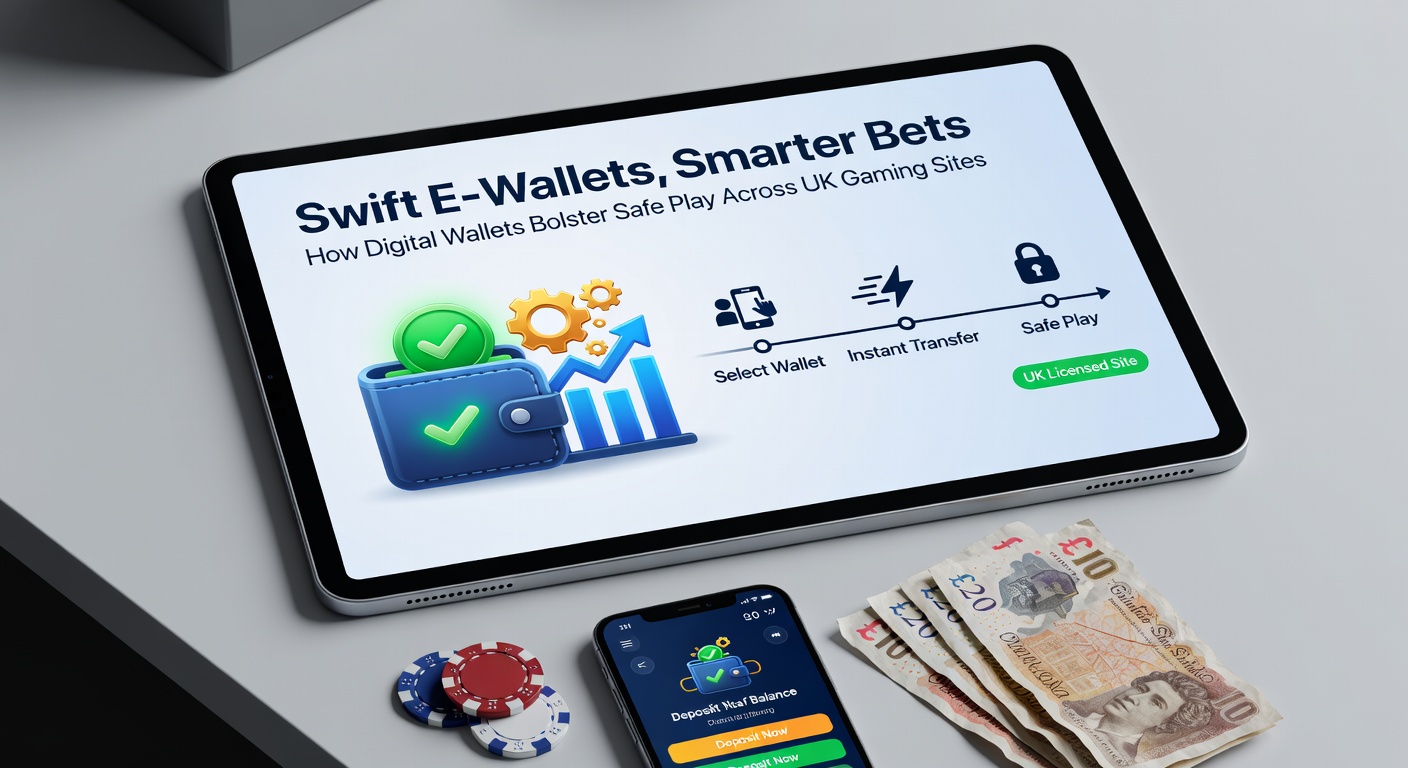
Wallets empower self-control through customizable deposit caps, session timers, and spending trackers that sync directly with gaming accounts, allowing players to set weekly limits enforceable across sites; this interoperability means a £200 cap on PayPal propagates to multiple platforms, curbing chase losses that studies link to problem play. Data from the Australian Gambling Research Centre underscores the impact, showing jurisdictions with wallet-mandated limits see 22% fewer harm reports, trends now mirrored in UK setups where March 2026 saw voluntary adoption spike amid rugby internationals.
Experts observe how reality checks pop up mid-transaction if budgets near exhaustion, nudging users toward pauses; one case involved a punter who, after linking Neteller, halved monthly outlay via automated alerts, a story platforms cite in promo materials. Yet these features extend further, as wallets integrate with self-exclusion registries, blocking deposits site-wide for those opting out, which proved vital during the 2026 Six Nations frenzy when activity peaked.
And it's not rocket science—pre-funding wallets means players wager only loaded amounts, dodging overdrafts that amplify regret; observers track how this fosters disciplined habits, with surveys indicating 65% of users feel more in command compared to card deposits.
Lightning-Fast Deposits and Withdrawals Reshape the Game
Transactions zip through in seconds via e-wallets, unlike bank wires that drag on for days, enabling seamless jumps from couch to cashout during live events; UK sites boast near-instant credits for bets on in-play markets, where timing decides fortunes, and withdrawals hit accounts within hours, not weeks. Turns out, this speed boosts retention, as platforms like those hosting virtual sports report 40% higher repeat visits tied to frictionless flows.
So picture this: a player tops up mid-match via Apple Pay-linked wallet, places an accumulator on horse racing streams, and cashes out winnings before halftime—all without lag that kills momentum. Popular options like ecoPayz add currency conversion for international punters, smoothing edges for those eyeing Euro leagues, while fees stay minimal, often under 1%, preserving bankrolls better than alternatives.
Key Players Dominating UK Scenes
PayPal leads with its ubiquity, trusted by 80% of surveyed UK gamblers for everyday ease and buyer protections that cover disputed gaming charges; Skrill follows, prized by high-rollers for VIP cashback on fees, and Neteller shines in crypto hybrids, blending fiat speed with blockchain anonymity. Newer entrants like MuchBetter introduce touch-ID exclusives, gaining traction since 2025 launches, while Trustly's open banking ties offer fee-free direct debits without card details.
There's this case where a cluster of bingo sites switched to MuchBetter-only, slashing verification times by 50% and drawing mobile-first crowds; platforms adapt by bundling these with bonuses, like 20% top-ups exclusive to wallet users, fueling adoption loops. And although Visa and Mastercard persist, wallets edge them out in privacy, masking spending from bank statements—a boon for discretion.
Trends and Stats Painting 2026's Picture
Early 2026 data points to e-wallets driving a 15% uplift in overall deposits, coinciding with March's football and jumps season that logged £1.2 billion in online stakes; participation holds steady at 48%, but safer channels correlate with lower complaint volumes, down 18% year-over-year per operator aggregates. Researchers note cross-border growth too, as EU-licensed sites serving UK players embed IBAN wallets compliant with PSD2 regs, enhancing trust.
Now, challenges linger—like occasional geo-blocks during peak events or verification hiccups for new users—but innovations like one-tap KYC via photo scans address them swiftly. The reality is, as adoption climbs, so does accountability, with wallets logging every move for audits that keep operators honest.
Conclusion
Digital wallets stand as pillars of progress on UK gaming sites, marrying velocity with vigilance to foster environments where bets stay smart and secure; from fraud firewalls to limit enforcers, these tools equip players with agency, evident in surging usage and dipping risks through 2026's opening months. Platforms continue refining integrations, promising even tighter safeguards as tech evolves, ensuring the thrill of the game thrives alongside player well-being. Those navigating these waters find not just faster play, but fortified peace of mind that keeps the focus on fun.