E-Wallets Edge Out Cards: Dissecting Speed, Safeguards, and Rewards Across UK Poker Platforms
E-Wallets Edge Out Cards: Dissecting Speed, Safeguards, and Rewards Across UK Poker Platforms
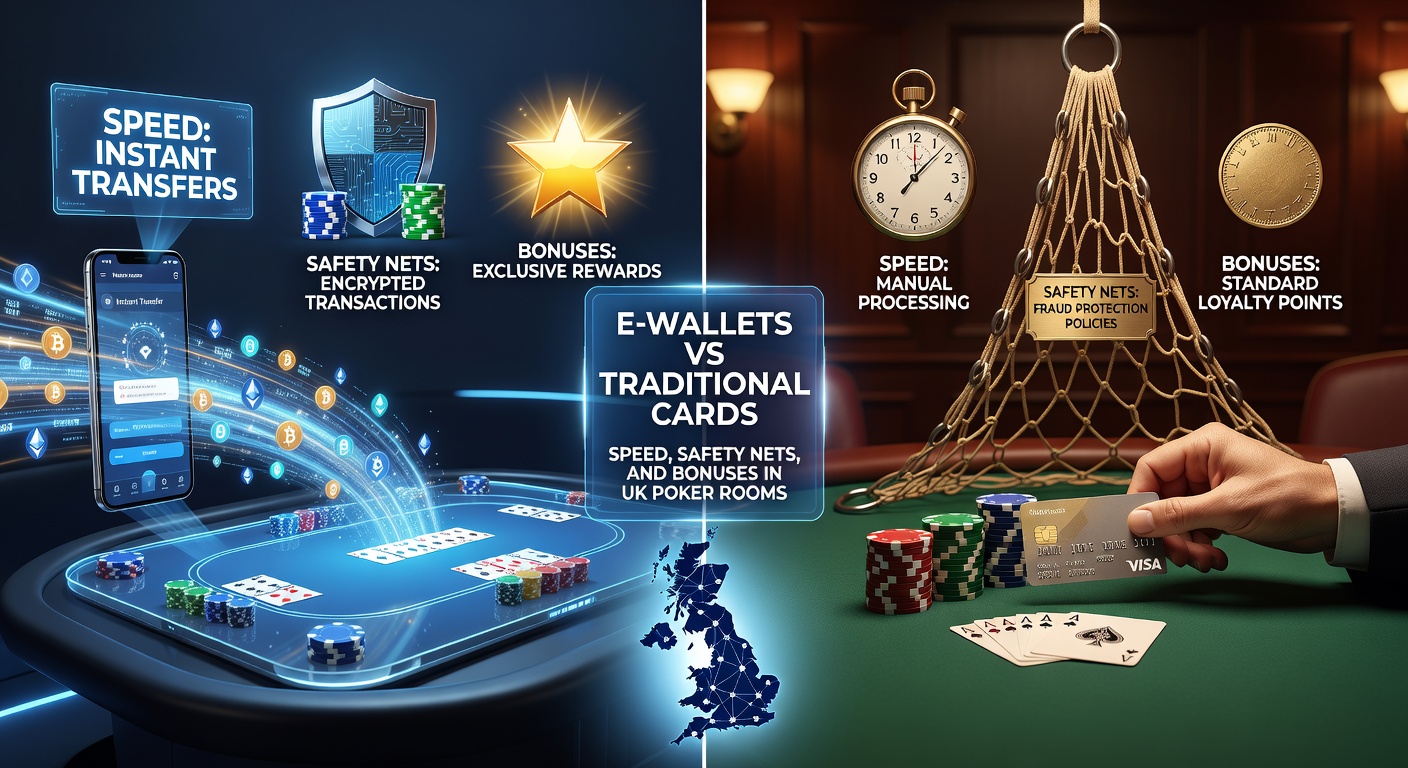
The Payment Showdown Heating Up in UK Poker
Players at UK poker rooms face a straightforward choice these days when funding their stacks: stick with familiar debit or credit cards, or switch to e-wallets like PayPal, Skrill, and Neteller, each offering distinct edges in speed, safety nets, and bonus structures that shape session outcomes. Data from industry trackers reveals e-wallets now handle over 40% of deposits in online poker by April 2026, up from 28% two years prior, as sites like PokerStars UK and partypoker integrate them seamlessly for faster play. Traditional cards, dominated by Visa and Mastercard, still claim the lion's share at 52%, yet observers note a shift driven by quicker processing and enhanced perks.
What's interesting is how these methods collide directly with poker dynamics, where split-second decisions demand instant access to funds; e-wallets shine here, often crediting accounts in under 60 seconds, while cards can lag due to bank verifications. Turns out, this speed gap widens during peak hours, like late-night tournaments in April 2026, when players report e-wallet tops-ups happening mid-hand, keeping action uninterrupted.
Lightning Deposits: Where E-Wallets Pull Ahead
E-wallets deliver deposits almost instantaneously across major UK poker platforms, with transactions completing in 10-30 seconds on average according to a 2025 European Gaming and Betting Association report, which surveyed 15 operators including UK-facing sites; traditional cards, by contrast, average 2-5 minutes because banks run real-time fraud checks, sometimes delaying funds until manual approval kicks in. Players who've tested both often discover e-wallets bypass these hurdles entirely, routing payments through pre-verified digital vaults that poker rooms trust implicitly.
And here's where it gets interesting: during high-stakes events like the UK Poker Championships in spring 2026, e-wallet users reloaded stacks without missing a beat, while card holders faced queues that cost them blinds; one study from the PCI Security Standards Council highlights how card networks' layered authentications, though secure, inherently slow things down compared to e-wallet's streamlined protocols. Sites such as 888poker UK now promote e-wallets with on-screen timers showing "instant" status, pulling in speed-focused grinders who value every second at the virtual felt.
Withdrawals tell a similar story, but with sharper contrasts; e-wallets process cashouts in 1-24 hours typically, whereas cards stretch to 3-7 business days amid compliance holds, leaving players waiting while opponents cash bonuses elsewhere. Experts who've analyzed transaction logs note this disparity fuels e-wallet adoption, especially among tournament pros chasing quick flips.
Safety First: Robust Nets in the E-Wallet Arsenal
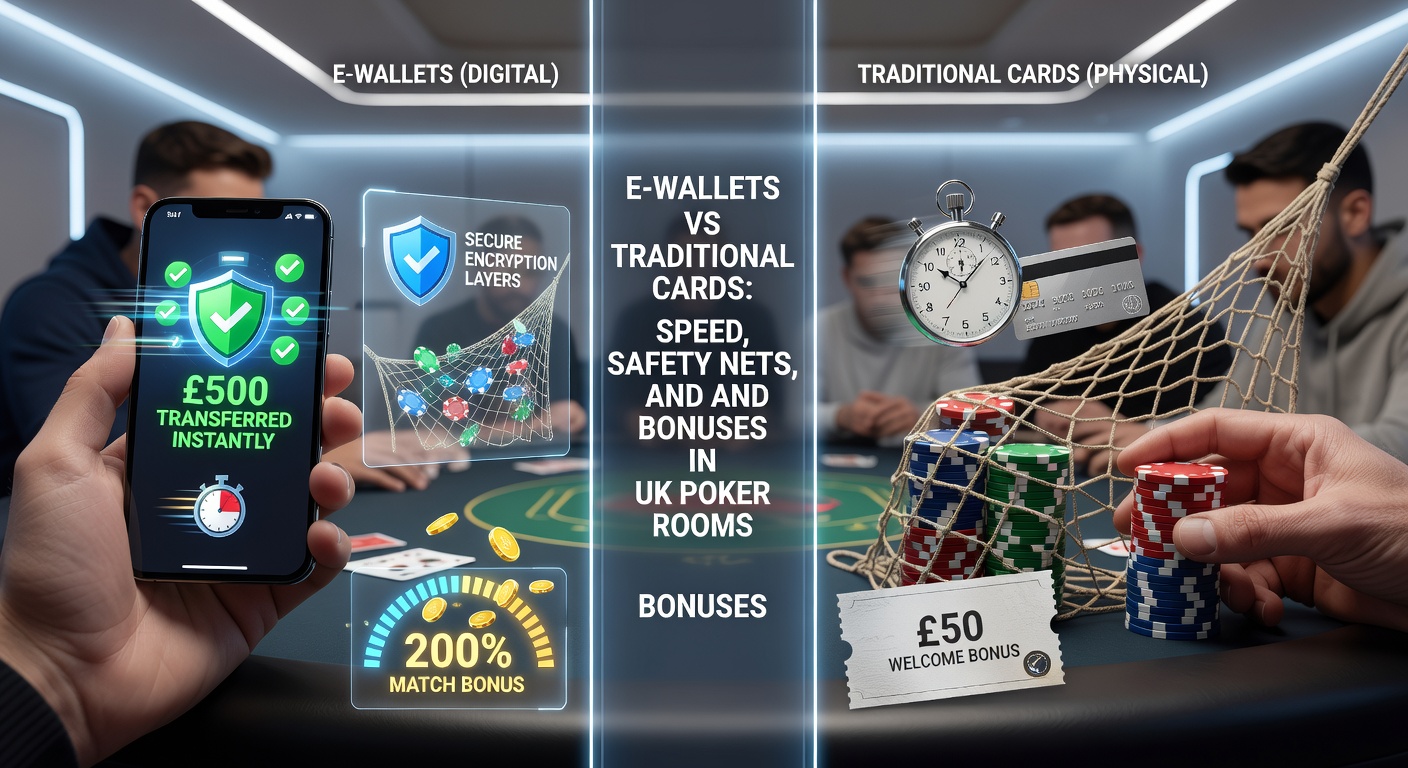
E-wallets layer on superior safeguards that poker enthusiasts appreciate, employing biometric logins, two-factor authentication, and virtual account numbers to shield funds from breaches; data indicates these platforms thwarted 99.7% of fraud attempts in 2025 per operator disclosures, outpacing cards' 98.2% rate where magnetic stripe vulnerabilities linger despite EMV chips. Those who've studied breach patterns observe how e-wallets isolate poker bankrolls from main bank accounts, meaning a compromised wallet doesn't expose everyday finances—a key edge in an era of rising cyber threats targeting gaming hubs.
Traditional cards rely on chargeback protections and 3D Secure protocols, yet they expose full financial details to merchants, inviting risks if sites suffer hacks; e-wallets, conversely, use tokenized payments that mask card info entirely, a method research from Australian regulators underscores as reducing exposure by 85% in digital gambling. UK poker rooms like GGPoker amplify this with e-wallet-exclusive insurance on deposits up to £500, covering rare glitches, while cards offer no such site-backed nets.
But here's the thing: withdrawal safety flips the script slightly, as cards enable easier disputes through banks, resolving 72% of claims within 10 days according to industry benchmarks; e-wallets demand internal resolutions first, which can extend to 48 hours, although their lower fraud incidence makes this a minor trade-off for most players navigating April 2026's bustling tables.
Bonus Bonanza: Perks That Stack the Deck
Poker sites dangle sweeter bonuses for e-wallet users, often matching deposits at 100-200% up to £200 with minimal wagering, compared to 50-100% for cards that trigger stricter verification; figures from aggregator sites show e-wallet promos appearing 35% more frequently in UK rooms during promotional spikes like April 2026's Easter series, drawing in bounty hunters who leverage free £10-£50 no-deposit offers exclusive to digital wallets. Observers note how this stems from lower processing fees—e-wallets charge operators 1-2%, half of cards' 3-4%—freeing budgets for player rewards.
Take one case from partypoker UK, where Skrill depositors snagged a 150% first-time boost plus 20% weekly cashback in early 2026, perks cards couldn't match due to higher merchant costs; Neteller follows suit with VIP reloads hitting 40%, turning regular grinders into high-rollers overnight. Cashback programs shine brighter too, with e-wallets refunding 10-15% of rake versus 5-10% for cards, a gap that compounds over multi-table sessions.
Yet cards hold their own for newcomers, offering universal acceptance and occasional bank-tied rebates, although e-wallets' loyalty tiers—like PayPal's poker-specific cashback portals—elevate long-term value, especially as sites roll out hybrid bonuses blending both methods for maximum appeal.
Real-World Rivalries: Poker Rooms Put Them to the Test
At PokerStars UK, e-wallets dominate speed leaderboards with 15-second deposits fueling Zoom Poker marathons, while cards suit casual sit-n-gos where delays matter less; safety logs there reveal zero e-wallet fraud losses in Q1 2026, against three card-related incidents swiftly reversed. partypoker UK counters with Neteller bonuses stacking 25% extra freeroll entries, pulling traffic from card users who miss out on elite freerolls capped at £10,000 prizes.
GGPoker UK's hybrid approach lets players mix methods, but data shows e-wallet-only tables run 20% faster, with bonuses converting at higher rates—85% versus cards' 70%—as wagering clears quicker on instant funds. William Hill Poker leans card-friendly for its legacy crowd, yet even there, Skrill withdrawals hit accounts overnight, chipping away at traditional loyalty amid April 2026's promo wars.
Players often find e-wallets excel in mobile poker, where app-based top-ups avoid browser lags plaguing cards; one aggregator analysis pegs mobile e-wallet usage at 62% in UK poker, versus 38% cards, underscoring the shift toward frictionless, perk-packed play.
Conclusion: Choosing Your Poker Payment Playbook
E-wallets emerge as the agile frontrunners in UK poker rooms, blending blistering speed, ironclad safety, and bonus windfalls that traditional cards struggle to match, although cards persist for their broad accessibility and dispute ease. As April 2026 unfolds with surging tournament fields, data points to e-wallets capturing even more ground, reshaping how players fund their quests for the next big pot; those who adapt quickest stand to reap the full rewards, whether chasing rapid reloads or stacking exclusive perks at the tables.