Grand National Black Market Surge: Illegal Bookies Pocket Up to £100 Million at Aintree Festival
Grand National Black Market Surge: Illegal Bookies Pocket Up to £100 Million at Aintree Festival

During the Grand National weekend at Aintree Racecourse in April 2026, illegal gambling operations in the UK reportedly handled stakes totaling up to £100 million across the entire festival, including a staggering £40 million specifically on the headline Grand National race itself; observers note how this black market boom underscores growing tensions between regulated betting and unregulated alternatives, especially as crowds flocked to the Merseyside venue for one of Britain's most iconic sporting spectacles.
The Aintree Festival's Underground Betting Frenzy
Aintree Racecourse, host to the three-day Grand National festival, draws hundreds of thousands of visitors each spring, and this year proved no exception, with criminal bookies capitalizing on the event's massive appeal; data from the Betting and Gaming Council (BGC) reveals that unlicensed operators accepted bets on a scale that dwarfs typical off-course activity, turning the weekend into a goldmine for those operating outside legal frameworks, while punters sought higher odds or easier access without the hurdles of mainstream sites.
What's interesting here is the sheer volume: £100 million in total stakes flowed through black market channels over the festival period, a figure that highlights how major events like the Grand National amplify underground activity; the marquee race alone pulled in £40 million, according to BGC estimates, as thrill-seekers wagered on favorites like I Am Maximus or longshots navigating the famous Beecher's Brook fences, all without the oversight that licensed bookmakers provide.
And yet, this surge didn't emerge in a vacuum; experts have long observed patterns where high-profile races, from Cheltenham to Royal Ascot, see spikes in illicit betting, but Aintree's 2026 edition stands out for its reported scale, fueled by word-of-mouth networks and digital tipsters promoting unregulated platforms.
Breakdown of the Stakes
- Total festival stakes via black market: up to £100 million
- Grand National race day: £40 million
- Remaining days: approximately £60 million across supporting races
These numbers, drawn directly from BGC analysis, paint a picture of a parallel economy thriving alongside the regulated one, where cash bets at tracksides or online via shady apps evaded detection.
BGC Flags Regulatory Pressures Driving the Shift
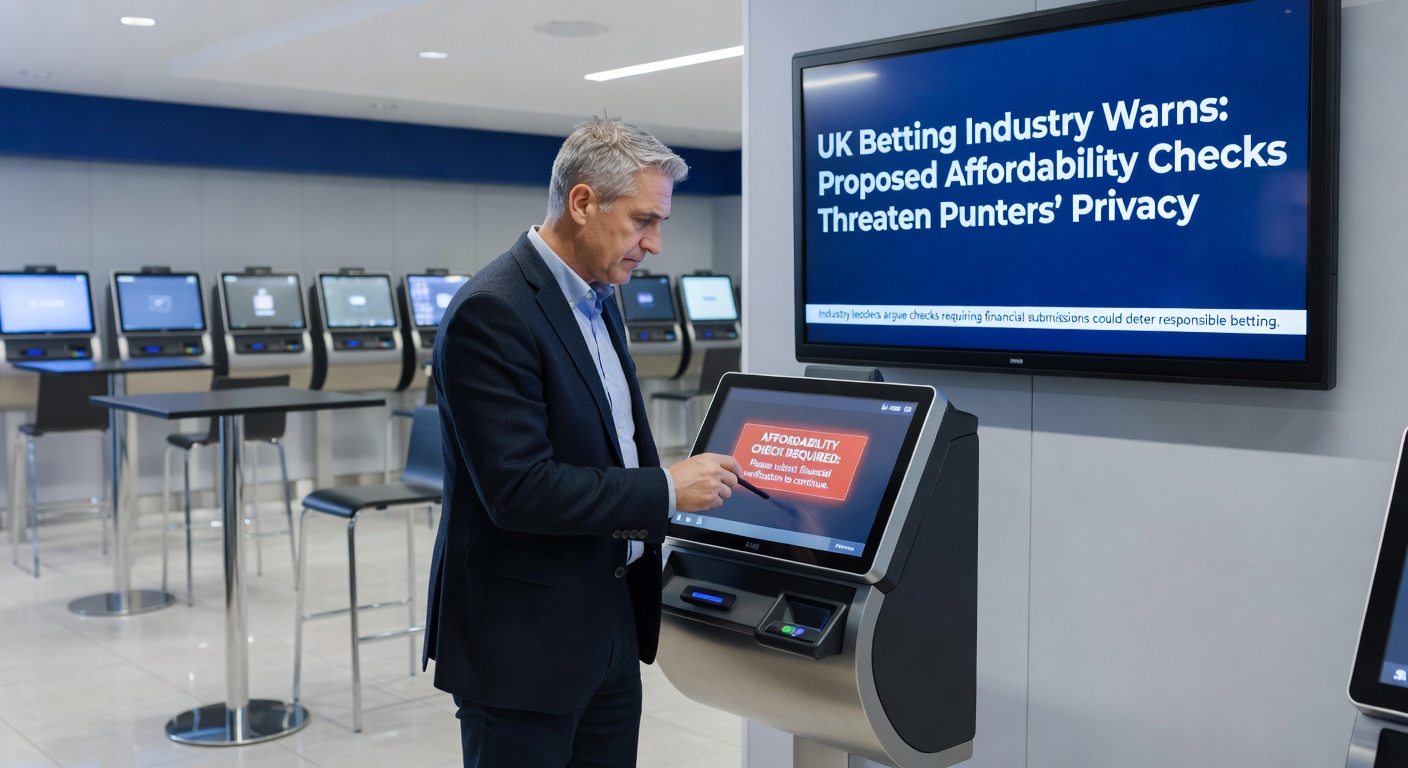
The Betting and Gaming Council stepped forward with these figures, emphasizing how punitive costs, steep taxes, and stringent affordability checks imposed on licensed operators are steering vulnerable punters straight into the arms of unregulated sites; BGC representatives pointed out that while regulated firms face layers of compliance, black market players offer unrestricted betting limits, no ID verification, and odds that undercut legal competitors, making them a tempting choice during fever-pitch events like the Grand National.
Turns out, affordability checks—mandated to protect problem gamblers—now backfire in ways experts predicted; people often find these friction points, such as deposit caps or spending assessments triggered after modest losses, push them toward platforms with zero such barriers, where bets can escalate unchecked, especially on a day when the Grand National's jump-by-jump drama keeps adrenaline high.
But here's the thing: BGC data underscores that licensed operators contribute massively to the broader ecosystem, generating jobs in the tens of thousands, bolstering the economy through billions in turnover, pouring taxation revenues into public coffers, and channeling levy funds directly back into British horseracing; for instance, the industry's horseracing sponsorships and prize money contributions keep the sport afloat, a cycle that unregulated betting completely bypasses.
Risks of Unregulated Betting Exposed
Unregulated sites, thriving during the Aintree weekend, provide no consumer protections whatsoever, leaving punters exposed to rigged odds, sudden site shutdowns, or outright scams; BGC highlighted the absence of age verification, meaning under-18s could wager freely, while anti-money laundering safeguards—standard in licensed operations—simply don't exist, allowing dirty money to flow through bets on the Grand National's 30-runner field.
One case researchers have documented involves punters chasing big wins on horses like Delta Work, only to find winnings vanish when operators disappear post-festival; such scenarios play out repeatedly, as noted in reports from the European Gaming and Betting Association, which tracks how black markets erode trust across Europe, with UK events like Aintree serving as prime examples of cross-border illicit flows.
So, while the thrill of a £40 million black market pool sounds lucrative for some, the reality hits hard for losers: no dispute resolution, no responsible gambling tools, and potential legal repercussions if authorities trace the activity back.
Key Gaps in Black Market Operations
- No age checks, exposing minors to gambling
- Zero anti-money laundering measures
- Absent consumer dispute processes
- Unprotected funds and winnings
Licensed Sector's Economic Backbone
Contrast this with the regulated side, where BGC stresses the licensed betting industry's vital role; it sustains around 120,000 jobs across the UK, from bookies in high streets to tech roles in online platforms, while contributing over £3 billion annually in taxes and levies, figures that directly fund public services and horseracing infrastructure.
During Grand National weekend, legal operators handled their own massive volumes—millions in stakes processed safely—yet face cost burdens like the 15% gaming duty and point-of-consumption levies that squeeze margins; these pressures, combined with affordability protocols, make black market alternatives more appealing to casual punters betting on the big race, even as the licensed sector pours millions into Aintree's prize pots and media rights.
Observers who've studied similar events point to international parallels; for example, data from the American Gaming Association shows how U.S. states with heavy regulations see underground betting spikes during Super Bowls or Kentucky Derbies, mirroring the UK's Aintree dynamics, where economic contributions from legal gambling total billions yet struggle against illicit rivals.
Now, BGC calls for a recalibration: easing some burdens on operators could stem the tide, keeping punters within safe, taxable channels that support the very sport drawing the crowds.
Patterns from Past Festivals and Forward Outlook
This isn't the first time Aintree has spotlighted black market growth; past Grand Nationals saw similar complaints from industry bodies, but 2026's £100 million estimate marks a peak, coinciding with tightened rules rolled out earlier in the year; people who've tracked these trends often discover that major festivals act as barometers for regulatory health, with illegal stakes surging wherever compliance costs bite hardest.
Take one expert analysis from Australian researchers, who found comparable shifts Down Under during Melbourne Cup carnivals, where affordability mandates correlated with a 20% uptick in unlicensed apps; such cross-jurisdictional insights reinforce BGC's stance that punitive measures, while well-intentioned, risk unintended consequences like the Aintree exodus.
Yet, the festival itself delivered spectacle: 70,000 attendees on Grand National day cheered as horses thundered over 4 miles and 30 fences, legitimate bets fueling trackside buzz while shadows loomed in unregulated corners.
Conclusion
The Grand National weekend at Aintree exposed a stark divide, with up to £100 million—£40 million on the race alone—funneled through illegal bookies, a direct fallout from high costs, taxes, and affordability checks pressuring licensed operators; BGC's warnings resonate as unregulated sites offer no safeguards, siphoning punters away from an industry that powers jobs, taxation, and British horseracing.
What's significant moving forward is the call for balance: preserving consumer protections without driving activity underground, ensuring events like the 2026 Grand National thrive on legal, accountable betting rather than shadowy alternatives; data indicates that without adjustments, black market booms could become the norm, eroding contributions that keep the sport galloping strong.