Inside Adaptive Security Layers: How Transaction Protocols Shape Engagement Across Digital Reel and Table Environments
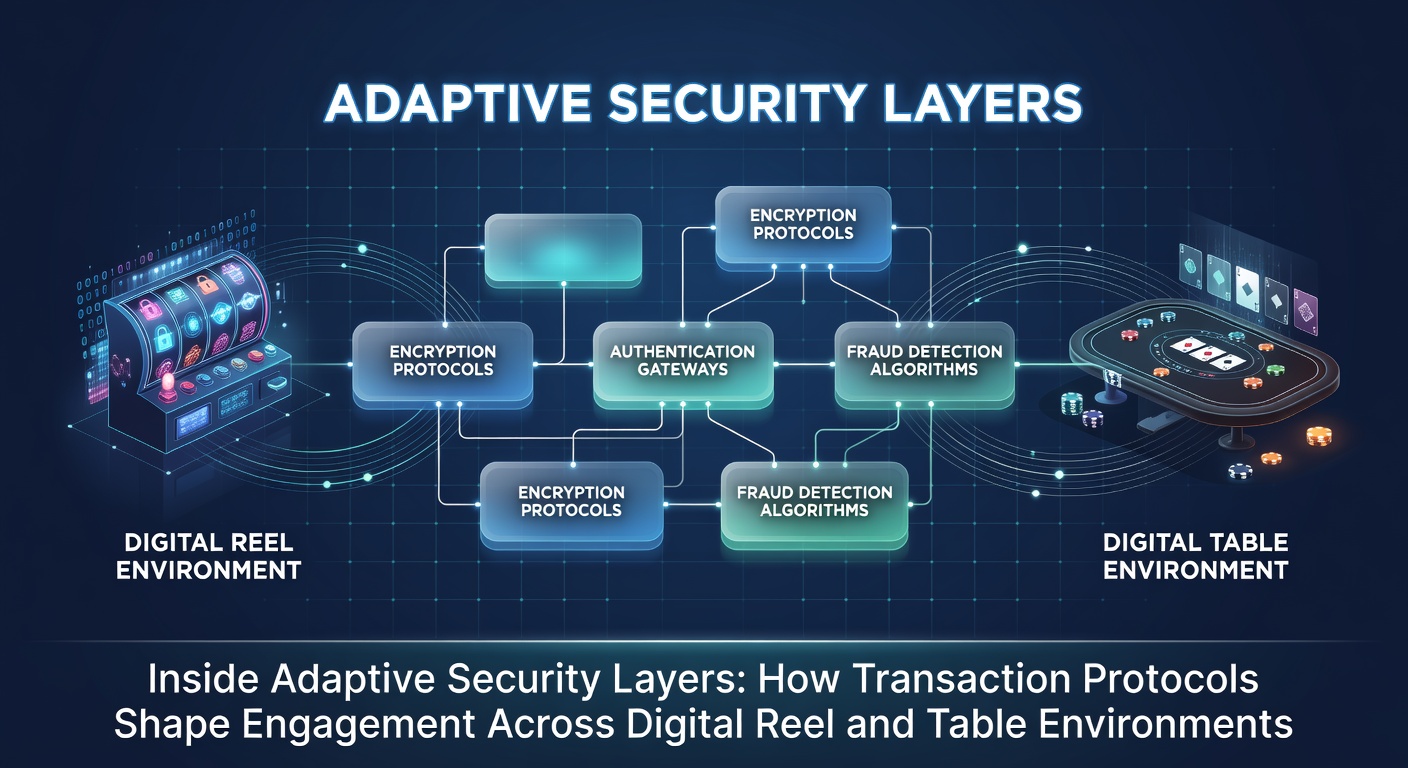 Transaction protocols in digital reel environments and table settings have evolved into multi-tiered systems that adjust in real time based on user behavior patterns, device signatures, and transaction velocity. These adaptive layers integrate encryption standards with behavioral analytics, allowing platforms to verify each deposit or withdrawal while maintaining seamless access for verified accounts. Researchers at institutions tracking global gaming infrastructure note that such protocols reduce friction points during high-volume sessions, which in turn supports sustained participation across both slot machines and live dealer tables. Data from regulatory filings in multiple jurisdictions shows that platforms implementing dynamic authentication sequences experience measurable differences in session duration compared to static verification models. For instance, when a protocol flags an unusual withdrawal pattern it can trigger stepped-up identity checks without halting the entire session, whereas rigid systems often force full logouts. Observers in the field point out that this flexibility stems from machine learning models trained on millions of historical transactions, enabling the system to differentiate between legitimate spikes in activity and potential anomalies.
Protocol Architecture in Reel-Based Platforms
Reel environments rely heavily on rapid, repetitive transactions that demand low-latency security responses. Adaptive layers here typically combine tokenization of payment details with real-time risk scoring drawn from IP geolocation, device fingerprinting, and historical spend curves. According to reports compiled by the American Gaming Association, these combined elements allow operators to approve micro-transactions in under two seconds while routing higher-risk requests through secondary verification channels. Players encounter fewer interruptions during bonus rounds or progressive jackpot pursuits because the protocol has already pre-authenticated the account trajectory.
Case studies from North American operators illustrate how these layers scale during peak hours. One documented rollout in late 2025 demonstrated that integrating adaptive thresholds reduced declined transactions by 18 percent, even as overall volume rose. The system achieved this by lowering security intensity for accounts with consistent patterns over multiple months while elevating scrutiny for new or erratic profiles. Such adjustments keep engagement metrics stable without compromising the underlying fraud prevention framework.
Security Dynamics in Table Game Ecosystems
Table environments introduce additional variables because they often involve live interactions and multi-player pot management. Transaction protocols in these spaces must accommodate both automated betting and player-to-player transfers, requiring layers that authenticate not only the individual but also the integrity of each hand or round. European regulatory summaries from 2026 indicate that operators using adaptive protocols have recorded higher retention rates in poker and blackjack lobbies, particularly when withdrawal limits adjust automatically based on verified play history rather than fixed caps.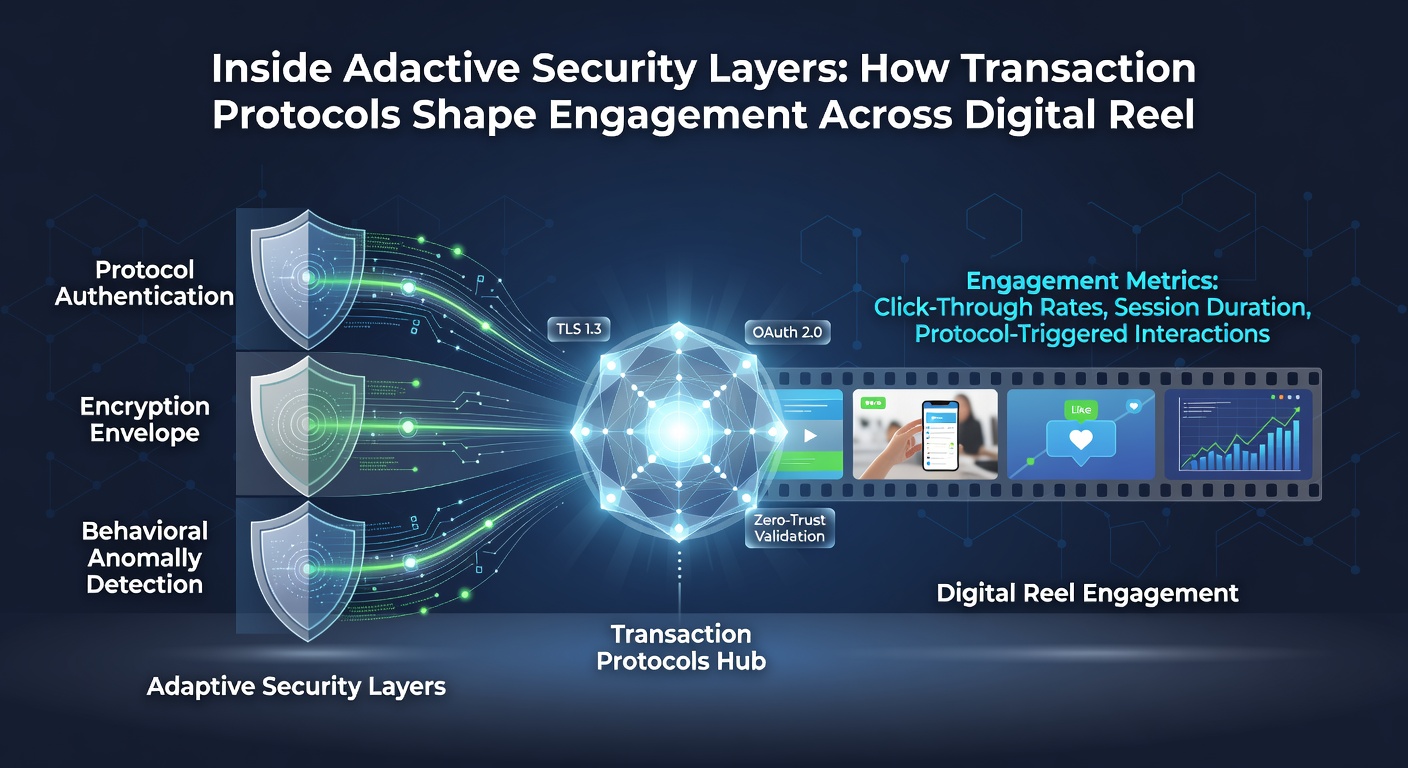 What's interesting is how these protocols handle live dealer scenarios where timing matters. When a player requests a cash-out mid-session, the system evaluates recent activity against established baselines and either processes the request instantly or routes it for brief manual review. Industry analyses from the Australian Institute of Criminology highlight that this selective approach minimizes downtime, allowing participants to return to tables without losing their seat or momentum. Over time, the accumulated trust in these smooth processes correlates with increased table time across monitored platforms.