Bridging Payment Pathways and Voluntary Controls in Multi-Format Gaming
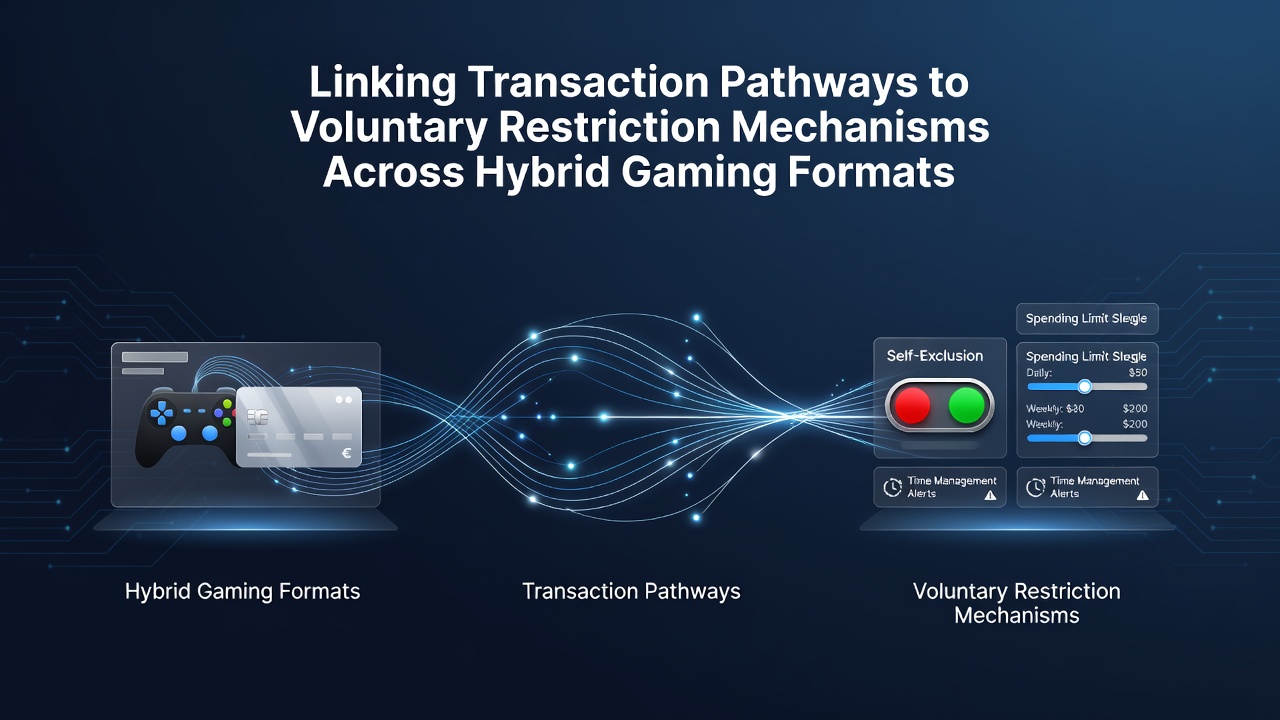 Hybrid gaming formats combine elements from slots, table games, bingo, and live dealer experiences into single sessions, which creates new demands on how deposits, withdrawals, and spending controls interact. Transaction pathways in these environments route funds through digital wallets, card processors, and bank transfers while feeding directly into systems that track session activity and enforce user-defined boundaries. Data from regulatory filings indicate that platforms handling blended gameplay processed higher volumes of micro-transactions in the first half of 2026 compared with traditional single-format sites. Payment routing begins when a player selects a funding method, after which the system records the amount, timestamp, and source before crediting the account balance. In hybrid titles the same ledger updates continuously as users shift between bingo-style progressions and slot reels or poker tables within one interface. Because the balance changes across multiple mechanics, restriction tools must read from a unified transaction log rather than isolated game meters. Observers note that this unified view allows limits to apply across the entire session instead of resetting when a player switches formats. Voluntary restriction mechanisms include deposit caps, loss thresholds, time-based pauses, and session reminders that players activate themselves. These tools connect to the payment layer through application programming interfaces that pause or block further deposits once a threshold is reached. Research indicates that when limits draw from real-time transaction data rather than daily aggregates, compliance rates rise because players receive immediate feedback on cumulative activity. In July 2026 several operators reported expanded testing of cross-format limit syncing following updates to their backend ledgers. The linkage becomes visible in how deposit attempts are evaluated. A player who sets a weekly spending ceiling triggers an automated check against all incoming transactions, regardless of whether the funds support bingo cards or slot spins. When the ceiling is approached, the system can decline additional deposits while still permitting play with existing balances. This approach prevents the common workaround of opening separate game tabs to bypass per-format caps. Figures reveal that platforms adopting unified checks recorded fewer instances of players exceeding their own declared limits during the spring 2026 testing period. Hybrid formats also introduce variable transaction sizes because bonus rounds or side bets can trigger small additional charges mid-session. Restriction engines therefore sample the transaction stream at higher frequency, often every few seconds, to capture these incremental movements. Industry reports show that latency between a deposit request and the restriction decision now averages under 200 milliseconds on major systems, reducing the chance that a limit breach occurs before the block activates. Security protocols further tie the two systems together. Multi-factor authentication applied at the payment stage carries forward to restriction settings, ensuring that changes to limits require the same verification steps used for withdrawals. This continuity reduces the risk of unauthorized adjustments and maintains an auditable trail across both financial and behavioral controls. According to a 2025 technical review published by the University of Nevada, Reno, such integrated authentication lowered account takeover incidents involving limit tampering by 18 percent across participating sites.
 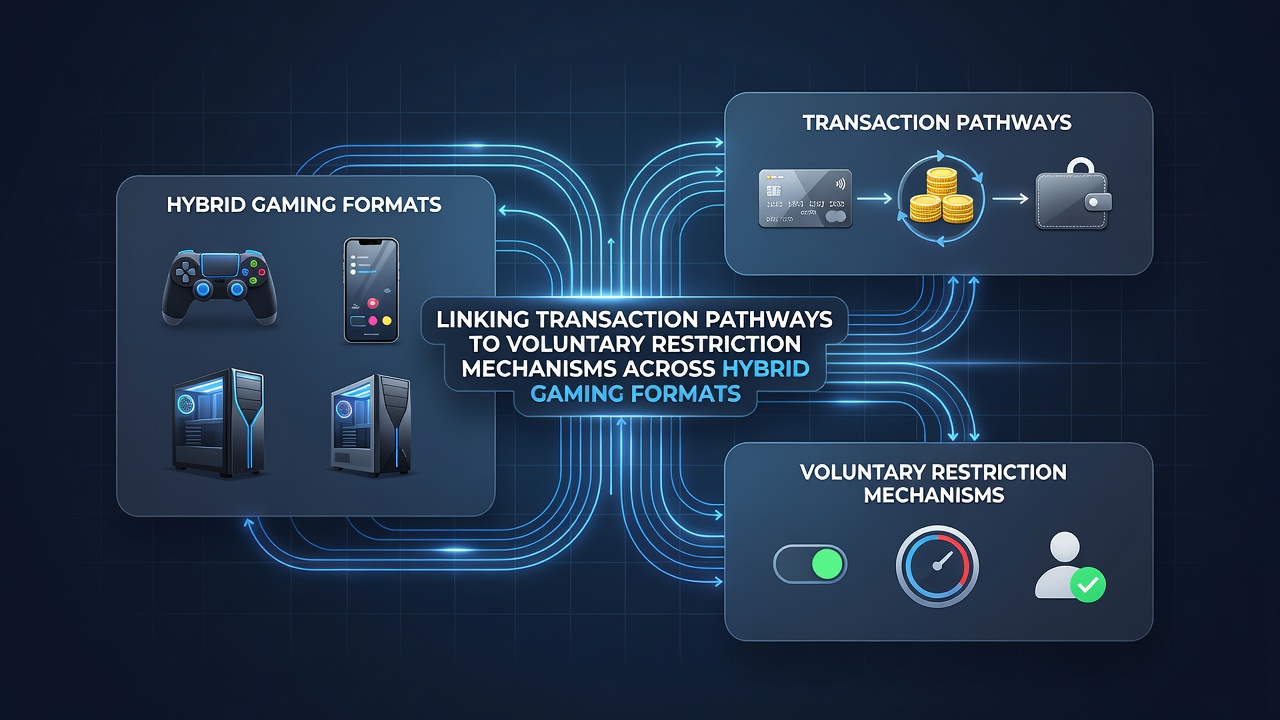 Regulatory expectations in multiple jurisdictions now emphasize that operators demonstrate how transaction data informs restriction enforcement. In Canada, the Alcohol and Gaming Commission of Ontario requires periodic audits showing that limit systems read from the same payment database used for settlement. Similar provisions appear in draft rules under consideration by the Malta Gaming Authority. These requirements push developers to maintain single-source data architectures rather than maintaining separate ledgers for finance and responsible gaming modules. Testing protocols include simulated player journeys that move rapidly between game types while attempting to exceed preset limits. Results from such tests help identify edge cases where a transaction might bypass the restriction check, such as when a cashback credit posts after a deposit block has been set. Developers address these cases by tagging every balance adjustment with a source identifier that the restriction engine can read instantly. Players interact with these linked systems through dashboards that display both upcoming transactions and the current status of any active limits. Color-coded indicators show proximity to a deposit ceiling or time threshold, updating as each wager processes. This transparency stems directly from the shared data pipeline connecting payments to controls. One study released by the Canadian Centre on Substance Use and Addiction in early 2026 found that players using dashboards with live transaction-limit overlays adjusted their spending behavior more frequently than those relying on end-of-day summaries. Future updates scheduled for late 2026 aim to incorporate predictive elements that flag potential breaches before they occur. These features would analyze patterns in the transaction stream, such as clusters of small deposits during bonus features, and prompt players to review their limits proactively. Implementation depends on continued refinement of the data connection between payment processors and restriction modules. Conclusion
The integration of transaction pathways with voluntary restriction mechanisms in hybrid gaming continues to evolve through technical standards, regulatory audits, and platform-level testing. Unified data flows allow limits to operate consistently across shifting game formats, while authentication and real-time monitoring reduce opportunities for circumvention. As hybrid titles expand their feature sets, the same architectural principles that connect payments to controls remain central to maintaining the functionality players activate for themselves.
Regulatory expectations in multiple jurisdictions now emphasize that operators demonstrate how transaction data informs restriction enforcement. In Canada, the Alcohol and Gaming Commission of Ontario requires periodic audits showing that limit systems read from the same payment database used for settlement. Similar provisions appear in draft rules under consideration by the Malta Gaming Authority. These requirements push developers to maintain single-source data architectures rather than maintaining separate ledgers for finance and responsible gaming modules. Testing protocols include simulated player journeys that move rapidly between game types while attempting to exceed preset limits. Results from such tests help identify edge cases where a transaction might bypass the restriction check, such as when a cashback credit posts after a deposit block has been set. Developers address these cases by tagging every balance adjustment with a source identifier that the restriction engine can read instantly. Players interact with these linked systems through dashboards that display both upcoming transactions and the current status of any active limits. Color-coded indicators show proximity to a deposit ceiling or time threshold, updating as each wager processes. This transparency stems directly from the shared data pipeline connecting payments to controls. One study released by the Canadian Centre on Substance Use and Addiction in early 2026 found that players using dashboards with live transaction-limit overlays adjusted their spending behavior more frequently than those relying on end-of-day summaries. Future updates scheduled for late 2026 aim to incorporate predictive elements that flag potential breaches before they occur. These features would analyze patterns in the transaction stream, such as clusters of small deposits during bonus features, and prompt players to review their limits proactively. Implementation depends on continued refinement of the data connection between payment processors and restriction modules. Conclusion
The integration of transaction pathways with voluntary restriction mechanisms in hybrid gaming continues to evolve through technical standards, regulatory audits, and platform-level testing. Unified data flows allow limits to operate consistently across shifting game formats, while authentication and real-time monitoring reduce opportunities for circumvention. As hybrid titles expand their feature sets, the same architectural principles that connect payments to controls remain central to maintaining the functionality players activate for themselves.
Hybrid gaming formats combine elements from slots, table games, bingo, and live dealer experiences into single sessions, which creates new demands on how deposits, withdrawals, and spending controls interact. Transaction pathways in these environments route funds through digital wallets, card processors, and bank transfers while feeding directly into systems that track session activity and enforce user-defined boundaries. Data from regulatory filings indicate that platforms handling blended gameplay processed higher volumes of micro-transactions in the first half of 2026 compared with traditional single-format sites. Payment routing begins when a player selects a funding method, after which the system records the amount, timestamp, and source before crediting the account balance. In hybrid titles the same ledger updates continuously as users shift between bingo-style progressions and slot reels or poker tables within one interface. Because the balance changes across multiple mechanics, restriction tools must read from a unified transaction log rather than isolated game meters. Observers note that this unified view allows limits to apply across the entire session instead of resetting when a player switches formats. Voluntary restriction mechanisms include deposit caps, loss thresholds, time-based pauses, and session reminders that players activate themselves. These tools connect to the payment layer through application programming interfaces that pause or block further deposits once a threshold is reached. Research indicates that when limits draw from real-time transaction data rather than daily aggregates, compliance rates rise because players receive immediate feedback on cumulative activity. In July 2026 several operators reported expanded testing of cross-format limit syncing following updates to their backend ledgers. The linkage becomes visible in how deposit attempts are evaluated. A player who sets a weekly spending ceiling triggers an automated check against all incoming transactions, regardless of whether the funds support bingo cards or slot spins. When the ceiling is approached, the system can decline additional deposits while still permitting play with existing balances. This approach prevents the common workaround of opening separate game tabs to bypass per-format caps. Figures reveal that platforms adopting unified checks recorded fewer instances of players exceeding their own declared limits during the spring 2026 testing period. Hybrid formats also introduce variable transaction sizes because bonus rounds or side bets can trigger small additional charges mid-session. Restriction engines therefore sample the transaction stream at higher frequency, often every few seconds, to capture these incremental movements. Industry reports show that latency between a deposit request and the restriction decision now averages under 200 milliseconds on major systems, reducing the chance that a limit breach occurs before the block activates. Security protocols further tie the two systems together. Multi-factor authentication applied at the payment stage carries forward to restriction settings, ensuring that changes to limits require the same verification steps used for withdrawals. This continuity reduces the risk of unauthorized adjustments and maintains an auditable trail across both financial and behavioral controls. According to a 2025 technical review published by the University of Nevada, Reno, such integrated authentication lowered account takeover incidents involving limit tampering by 18 percent across participating sites.
Regulatory expectations in multiple jurisdictions now emphasize that operators demonstrate how transaction data informs restriction enforcement. In Canada, the Alcohol and Gaming Commission of Ontario requires periodic audits showing that limit systems read from the same payment database used for settlement. Similar provisions appear in draft rules under consideration by the Malta Gaming Authority. These requirements push developers to maintain single-source data architectures rather than maintaining separate ledgers for finance and responsible gaming modules. Testing protocols include simulated player journeys that move rapidly between game types while attempting to exceed preset limits. Results from such tests help identify edge cases where a transaction might bypass the restriction check, such as when a cashback credit posts after a deposit block has been set. Developers address these cases by tagging every balance adjustment with a source identifier that the restriction engine can read instantly. Players interact with these linked systems through dashboards that display both upcoming transactions and the current status of any active limits. Color-coded indicators show proximity to a deposit ceiling or time threshold, updating as each wager processes. This transparency stems directly from the shared data pipeline connecting payments to controls. One study released by the Canadian Centre on Substance Use and Addiction in early 2026 found that players using dashboards with live transaction-limit overlays adjusted their spending behavior more frequently than those relying on end-of-day summaries. Future updates scheduled for late 2026 aim to incorporate predictive elements that flag potential breaches before they occur. These features would analyze patterns in the transaction stream, such as clusters of small deposits during bonus features, and prompt players to review their limits proactively. Implementation depends on continued refinement of the data connection between payment processors and restriction modules. Conclusion
The integration of transaction pathways with voluntary restriction mechanisms in hybrid gaming continues to evolve through technical standards, regulatory audits, and platform-level testing. Unified data flows allow limits to operate consistently across shifting game formats, while authentication and real-time monitoring reduce opportunities for circumvention. As hybrid titles expand their feature sets, the same architectural principles that connect payments to controls remain central to maintaining the functionality players activate for themselves.