Mapping Player Advancement Through Tiered Loyalty Programs in UK Online Betting
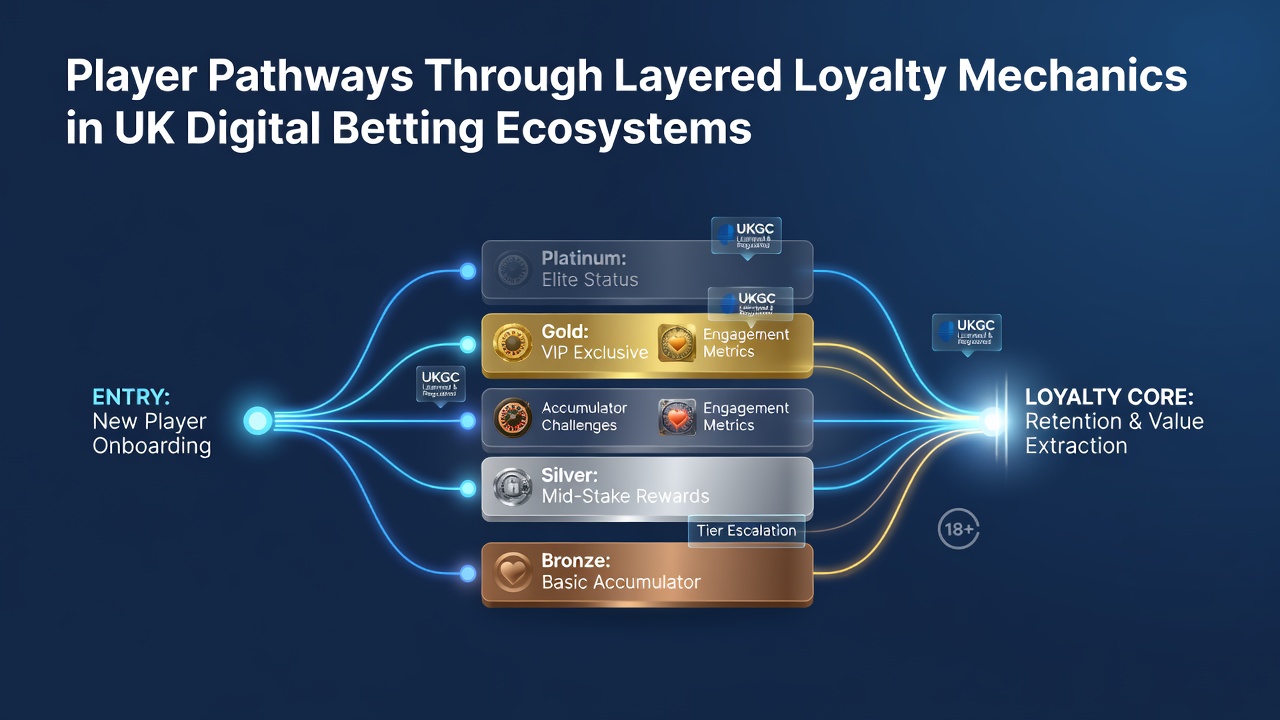
UK digital betting platforms have built structured loyalty frameworks that guide users from initial sign-up through increasingly complex reward tiers, and these systems shape how participants engage over time. Data from industry reports shows that operators segment users into multiple levels based on deposit volume, betting frequency, and overall activity, with each tier unlocking distinct benefits such as enhanced cashback rates, exclusive promotions, and faster withdrawal processing.
Entry-level tiers typically require minimal activity thresholds, yet they introduce players to core mechanics like point accumulation per wager placed. As users accumulate points, they progress automatically or through manual qualification into mid-tier categories where operators add personalised offers and reduced wagering requirements on bonuses. Research from academic sources indicates that this gradual unlocking encourages sustained participation while operators collect detailed behavioural data to refine future incentives.
Core Mechanics of Tier Progression
Points systems form the foundation across most platforms, where stakes on slots, sports markets, and table games convert into loyalty currency at varying rates depending on game type and stake size. Higher tiers often feature accelerated earning multipliers, and participants who reach these levels receive invitations to events or dedicated account management. Studies from university research groups reveal that such layered structures create clear visual progress indicators within apps, including progress bars and milestone celebrations that keep engagement metrics elevated.
Operators integrate additional layers through status challenges or seasonal resets, where users must maintain activity levels to retain benefits or qualify for upgrades. This approach allows platforms to balance retention with revenue targets, while regulatory frameworks in various jurisdictions require transparent disclosure of how points convert and expire. Observers note that July 2026 saw several UK-facing sites introduce hybrid tiers that combine traditional points with social or referral components, expanding pathways beyond pure spend-based advancement.
Player Journeys and Retention Patterns
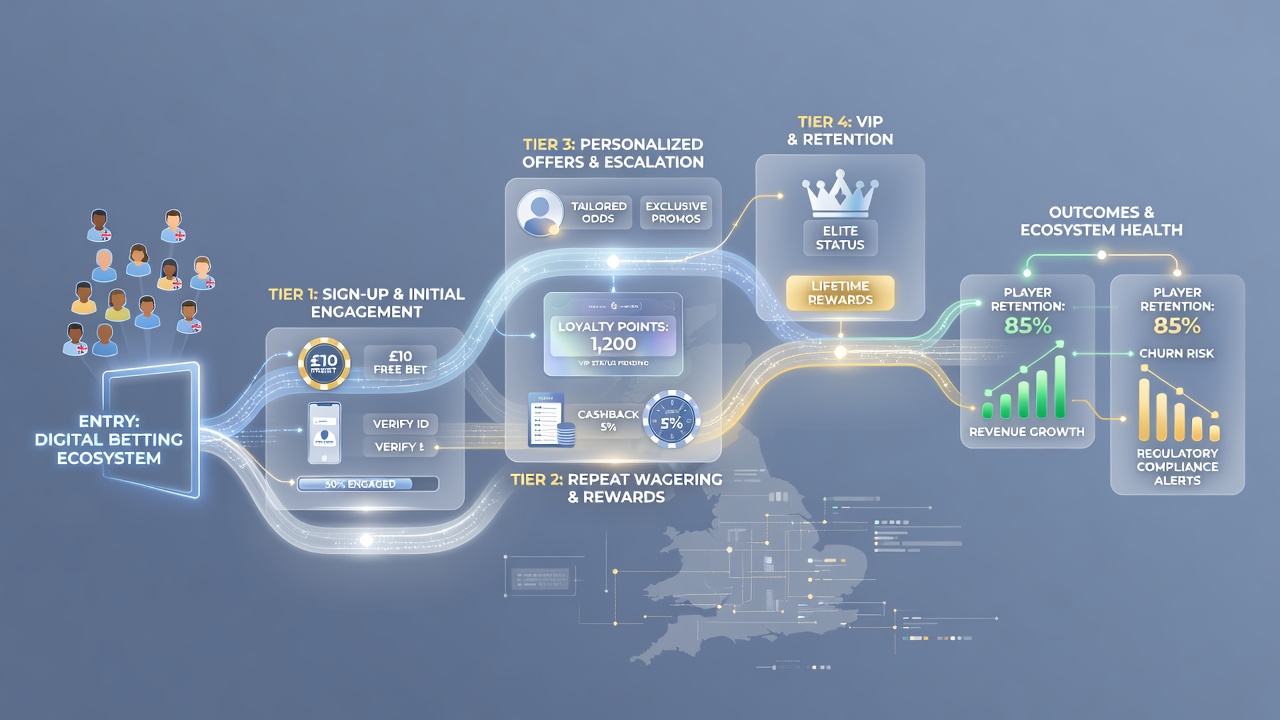
Users typically begin in introductory tiers with basic rewards such as free spins or small deposit matches, then move into intermediate stages once deposit totals cross specific thresholds. At these mid-points, benefits expand to include cashback on net losses and priority customer support channels. Evidence from industry analyses demonstrates that players who advance steadily through three or more tiers show higher lifetime value metrics compared with those who remain at entry levels.
Advanced tiers introduce VIP-specific features like custom bonus structures, tournament access, and physical perks such as event tickets. Researchers have documented how these upper pathways incorporate risk-management tools that operators apply selectively, including personalised deposit limits tied to loyalty status. Platforms adjust these mechanics periodically to align with evolving player preferences, and data indicates that multi-tier systems help distribute engagement across different product verticals rather than concentrating activity in single game types.
Integration with Broader Platform Features
Loyalty mechanics frequently link with payment methods and game libraries, granting bonus points for using specific wallets or trying new titles. This interconnected design creates additional decision points for users navigating their advancement routes. Reports from international gaming research bodies highlight that such integrations can increase session length while providing operators with granular data on cross-product migration patterns.
Security and verification processes also tie into tier benefits, with higher levels often receiving expedited KYC reviews and enhanced account protections. Academic papers on digital gambling ecosystems note that these connections help platforms maintain compliance standards while rewarding consistent users. In July 2026, several operators expanded loyalty-linked responsible gambling features, allowing tiered users to access customised session reminders and spending analytics directly through their status dashboards.
Comparative Insights from Global Markets
UK platforms share structural similarities with loyalty programmes operating in other regulated markets, yet regional differences appear in how points expire and how cross-border users qualify. A study by the Responsible Gambling Council examined retention effects across multiple jurisdictions and found layered systems consistently correlate with extended play periods when paired with clear progression rules. Platforms monitor these patterns closely to adjust qualification criteria and prevent stagnation at any single tier.
External benchmarks from regulatory bodies in Canada and Australia further illustrate how UK operators adapt similar frameworks to local market conditions, emphasising transparency in reward calculations. These comparisons show that successful pathways balance generosity with sustainable economics, allowing users to perceive genuine value while operators manage overall payout ratios.
Conclusion
Layered loyalty mechanics continue to define user progression routes within UK digital betting environments through structured tiers, point-based advancement, and integrated platform features. Data consistently shows these systems influence engagement duration and product exploration while meeting transparency requirements set by oversight bodies. As platforms refine these pathways in response to player behaviour and regulatory updates, the mechanics remain central to how participants move through digital betting ecosystems over extended periods.