Payment Alternatives and Player Controls at UK Poker and Bingo Platforms
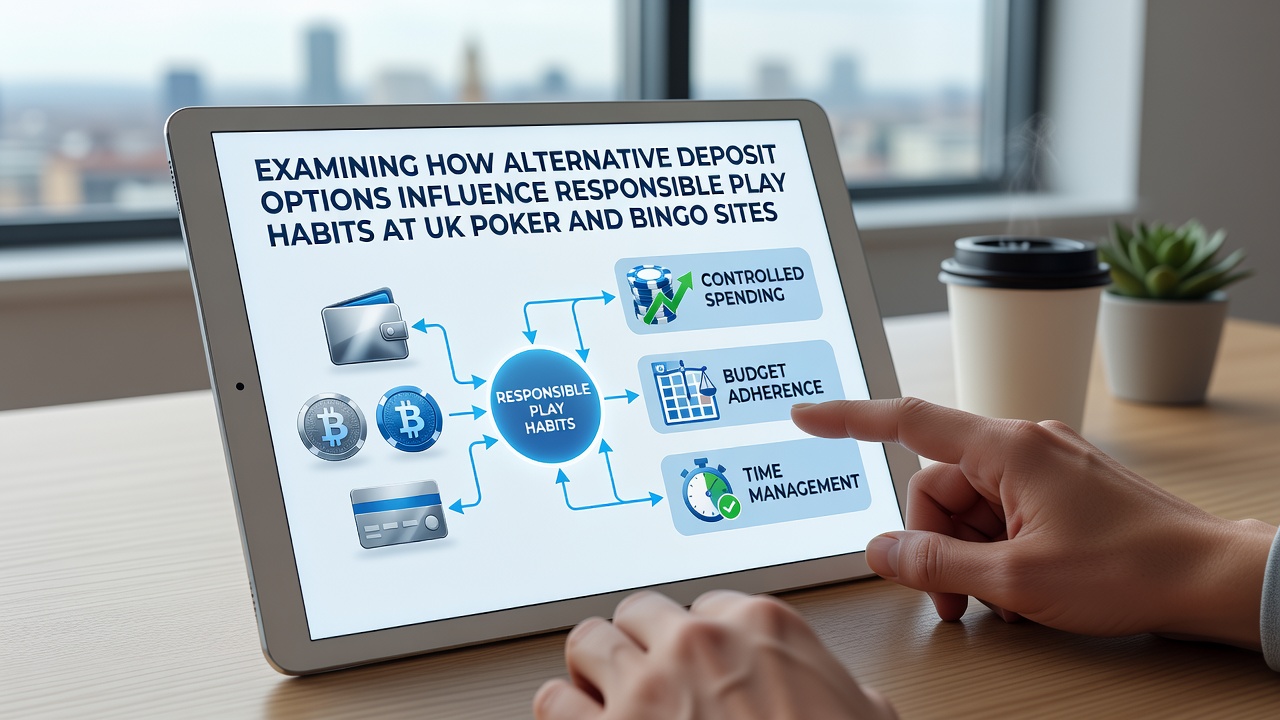 Alternative deposit methods have expanded rapidly across UK poker and bingo operators since 2024, and researchers continue to track their effects on session management and spending patterns. E-wallets, prepaid vouchers, bank transfers, and pay-by-mobile services now account for a growing share of transactions at licensed platforms, according to industry performance reports released in early 2026. These options differ from traditional card payments in speed, visibility of balances, and built-in limit features, which operators integrate to meet regulatory expectations around player protection. Studies conducted by independent research bodies show that methods requiring account creation or pre-loading funds often correlate with more deliberate deposit decisions. Players using e-wallets, for instance, can view available balances before confirming a transfer, which creates a natural checkpoint that card deposits bypass. Data collected through operator systems in the first half of 2026 indicates that sessions funded via e-wallets average shorter durations compared with those initiated through direct card payments, particularly on bingo rooms where players frequently set daily caps.
Transaction Visibility and Limit Tools
Alternative deposits provide clearer transaction histories that players can review in real time through linked apps or bank statements, and this visibility supports self-monitoring without relying solely on site-based tools. Prepaid card users must purchase fixed amounts in advance, which effectively caps the funds available for any single session and reduces the likelihood of impulsive top-ups during play. Operators report that bingo participants who preload vouchers tend to maintain consistent stake levels across multiple games rather than escalating during streaks.
Poker platforms have introduced deposit prompts that display remaining monthly limits when players select e-wallet options, and these reminders appear automatically when balances approach thresholds set during registration. Research from the Australian Gambling Research Centre highlights similar patterns in markets where digital wallets dominate, noting that transaction logs help players identify spending trends over weeks rather than isolated sessions. UK sites have adopted comparable dashboard features, allowing users to export records directly from their chosen payment provider.
Speed of Funding and Session Planning
Instant deposits via pay-by-phone or certain e-wallets remove friction that once encouraged players to pause before adding funds, yet the same speed also enables quicker exits when self-exclusion tools activate. Observers note that players who rely on bank transfers experience built-in delays of one to three business days, which creates a cooling-off period before additional funds become available. This delay appears most relevant during poker tournaments where buy-ins occur at scheduled times rather than on demand.

July 2026 data from platform analytics firms shows an uptick in players switching to prepaid methods on bingo sites following the introduction of new stake guidelines for hybrid games. Those who switched reported fewer instances of exceeding preset budgets, according to aggregated operator surveys shared with academic partners. The shift coincides with increased availability of low-value prepaid options that align with smaller-stake bingo formats popular among casual participants.
Regional Comparisons and Emerging Patterns
Evidence gathered by the National Council on Problem Gambling in the United States points to similar outcomes when digital wallet adoption rises, with users demonstrating greater adherence to time and spend limits when payment records integrate directly with account dashboards. Canadian provincial regulators have documented parallel findings in bingo halls that transitioned from cash-based systems to digital preload methods, where average session lengths stabilised after the changeover. UK operators reference these international observations when refining their own responsible gambling interfaces.
Prepaid and e-wallet deposits also reduce exposure to certain credit-based spending behaviours because funds must exist before transfer, and this structural difference limits options for chasing losses within a single evening. Poker sites have begun highlighting these distinctions in onboarding materials, directing new players toward methods that display real-time balances. Bingo operators, meanwhile, promote voucher systems during promotional periods when deposit bonuses apply, encouraging users to plan participation around fixed voucher values.
Conclusion
Alternative deposit options continue to shape how players interact with UK poker and bingo platforms by embedding checkpoints, balance visibility, and funding delays into the transaction process. Data from multiple jurisdictions, including reports linked to the Responsible Gambling Council and findings published through the Australian Institute of Family Studies, indicate measurable differences in spending patterns tied to payment type. Operators maintain these features as part of ongoing compliance efforts, while researchers track adoption rates to assess long-term effects on player behaviour across both poker and bingo environments.