Payment Routes Shape Reward Tactics Across UK Bingo Sites, Poker Venues and Slot Libraries
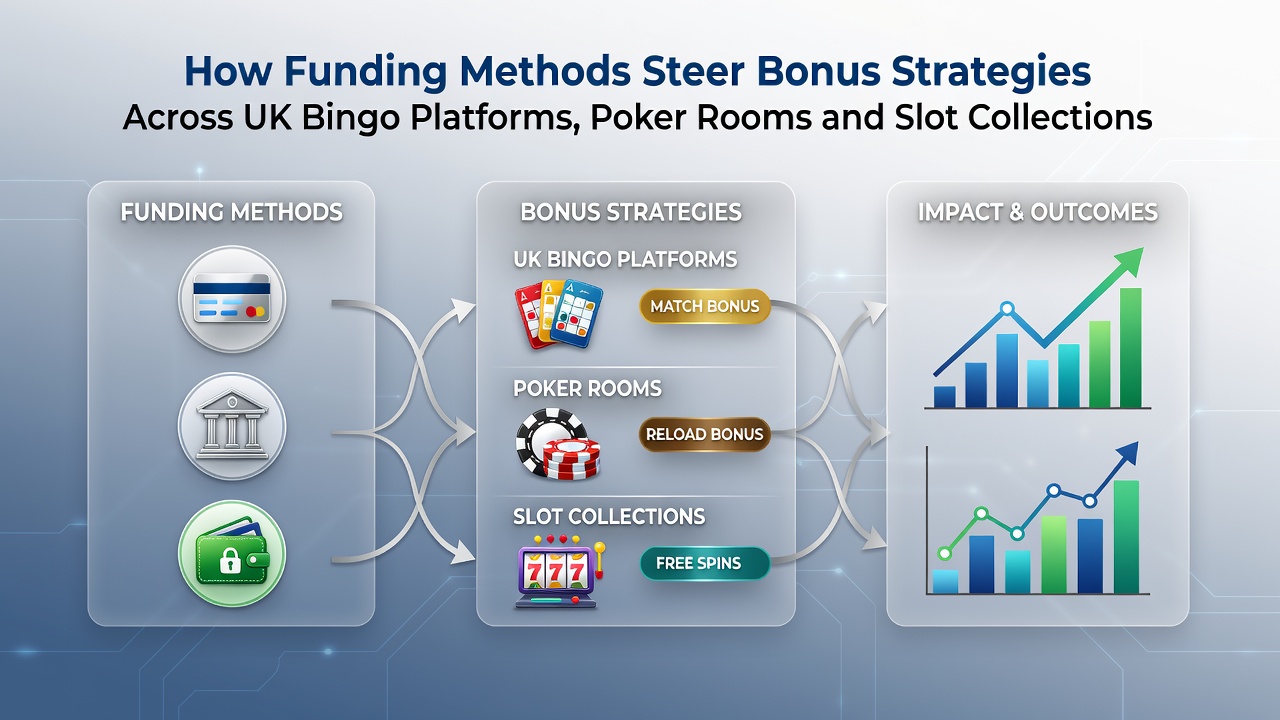
Operators across UK bingo platforms, poker rooms and slot collections adjust promotional offers according to the payment channels players select, because each method carries distinct processing costs, speed profiles and regulatory considerations that shape what rewards become available. Data from industry analyses indicate that faster deposit options often unlock higher match percentages or free spin allocations, while slower bank transfers correlate with more modest or delayed incentives that reflect the underlying transaction economics.
Core Mechanics Linking Funding Choices to Bonus Structures
Payment providers impose fees that range from under one percent for certain e-wallet transfers to several percent for credit card processing, so platforms recalibrate bonus values to maintain margins while still attracting deposits. Researchers at the University of Sydney have documented how these cost differences prompt operators to segment offers, directing larger rewards toward methods that reduce overhead and encourage repeat funding. Those who study transaction patterns observe that players using instant options receive bonus structures tied to shorter wagering windows, whereas users of traditional bank wires encounter extended play-through requirements that offset slower cash flow.
Adjustments Visible on Bingo Platforms
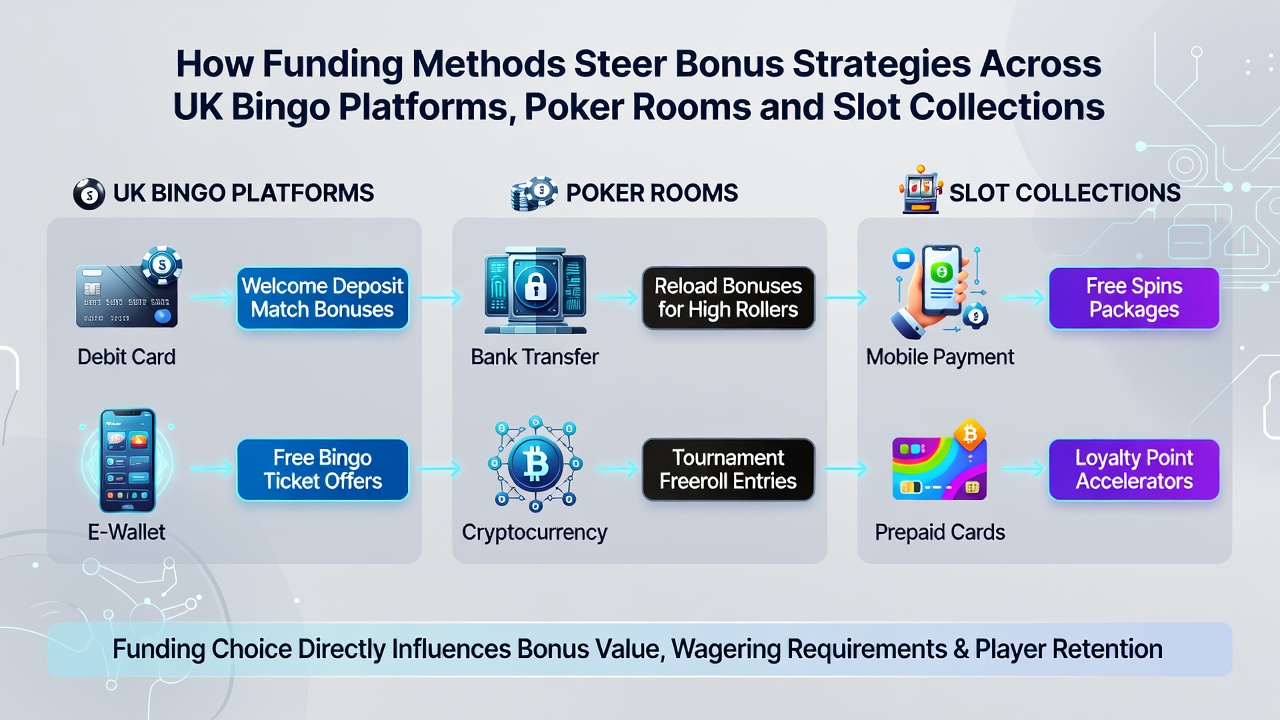
Bingo sites frequently promote deposit-match bonuses that scale with the chosen funding route, with e-wallets triggering the largest top-ups because settlement occurs within minutes. Observers note that when players fund accounts via pay-by-phone services, platforms add extra room cards or reduced ticket prices to offset the convenience premium those methods command. Figures reveal that bingo operators in June 2026 continued to refine these layered offers, aligning them with seasonal participation spikes and the need to balance prize pools against transaction expenses.
Poker Room Responses to Funding Variations
Poker venues tie rakeback percentages and tournament ticket bonuses directly to deposit velocity, granting higher cashback rates to users who select low-fee digital wallets that clear instantly. Studies from Canadian gaming research bodies show that slower funding methods receive proportionally smaller loyalty multipliers, because delayed funds increase the operator's opportunity cost during high-traffic tournament periods. Players who move money through bank transfers often encounter bonus structures that require additional verification steps, extending the time before rewards activate and reflecting the added compliance checks associated with those channels.
Slot Collection Strategies Driven by Payment Economics
Slot libraries apply free spin packages and cashback tiers that vary by funding speed, with instant options unlocking larger spin bundles because they minimise float time between deposit and play. Data from European gaming associations indicate that credit card deposits frequently receive capped bonuses to account for higher processing charges, while prepaid vouchers trigger percentage-based rewards that encourage volume. In practice, operators monitor which methods generate the highest lifetime value and adjust slot-specific promotions accordingly, creating dynamic menus that shift monthly based on transaction cost reports.
Patterns Emerging by Mid-2026
By June 2026, platforms across all three verticals had expanded conditional bonuses that activate only after a player selects a pre-approved funding route, a tactic that streamlines reconciliation and reduces chargeback exposure. Academic papers on digital payment adoption in gambling demonstrate that these route-specific incentives produce measurable shifts in deposit behaviour, with users migrating toward methods that unlock superior rewards. Operators continue to publish updated bonus menus that list eligible payment types alongside their associated reward multipliers, giving players transparent choices while preserving margin control.
Conclusion
Funding method selection continues to determine the scale, timing and conditions attached to bonuses on UK bingo platforms, poker rooms and slot collections because each channel carries measurable cost and compliance implications that operators must offset. Industry reports and academic analyses confirm that these linkages produce segmented promotional landscapes where faster, lower-fee options consistently receive enhanced rewards while slower routes trigger more conservative structures. The pattern shows no sign of diminishing as platforms refine their systems to align transaction economics with player incentives.