Quiet Shifts in Payment Tech Foster Safer Habits at Live Tables and Bingo Venues
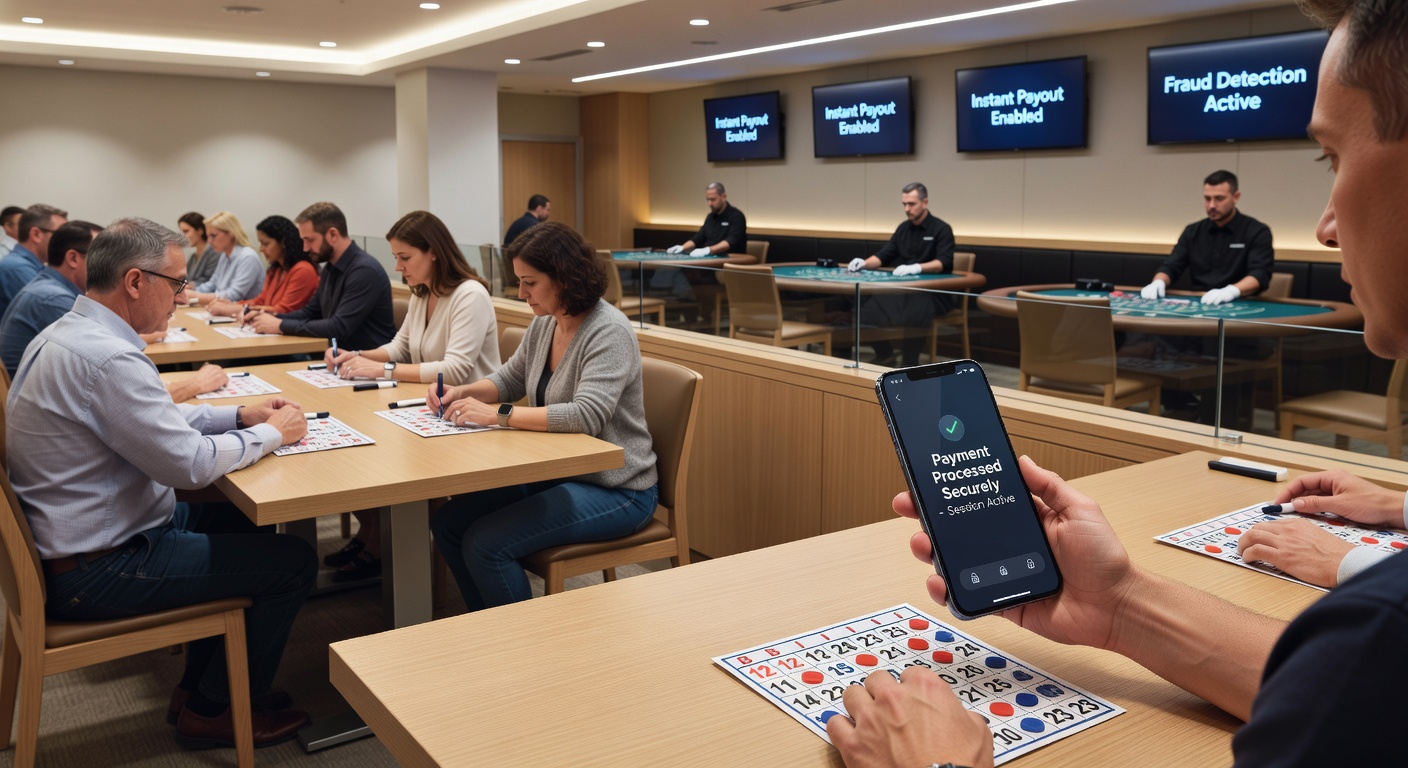
Payment innovations continue to integrate into gaming environments where live tables and bingo rooms operate, and these changes bring measurable adjustments to how participants manage their activity. Digital wallets, instant bank transfers, and tokenized card systems now handle deposits and withdrawals with built-in controls that record session data in real time, which allows operators to apply limits without interrupting play flow.
Payment Features That Enable Real-Time Oversight
Systems such as e-wallets equipped with spending caps and automated alerts connect directly to live gaming platforms, and this linkage means players receive notifications when thresholds approach during a roulette round or a bingo session. Data from regulatory reviews in North America shows that platforms using these tools record lower average session lengths when compared with traditional card-only methods, because the visibility of balances happens continuously rather than at the end of each round.
Tokenization adds another layer by replacing card details with unique codes that expire after each transaction, and this process reduces fraud incidents while giving operators clearer records of every deposit. Observers note that such records support quicker identification of unusual patterns, which in turn prompts timely interventions like temporary pauses or account reviews.
Live Table Environments See Direct Adjustments
At live dealer tables, instant funding options let participants top up balances mid-game without leaving their seat, yet the same systems often include mandatory cooling-off prompts after a set number of consecutive deposits. Research compiled by the University of Nevada, Reno indicates that tables integrated with these prompts experience steadier participation rates across evening shifts, because players tend to pace their activity when balance information remains visible on the same interface.
Dealers and floor supervisors report fewer disputes over transaction timing since payments clear in seconds rather than minutes, and this efficiency frees staff to focus on game integrity instead of payment queries. In practice, one Nevada property documented a 12 percent drop in player complaints related to funding delays after switching to tokenized wallet solutions in early 2026.
Bingo Rooms Adapt Through Similar Mechanisms
Bingo operations, both in physical halls and hybrid online rooms, have adopted automated daubing paired with payment gateways that track ticket purchases against preset budgets. These gateways pause additional purchases once daily or weekly limits are reached, and the pause occurs seamlessly between calls without requiring players to exit the room. Figures released by the Canadian Centre for Addictions and Mental Health highlight that bingo venues using such controls saw a consistent reduction in repeat high-volume ticket buys during peak evening sessions.
Community halls in several provinces introduced loyalty-linked wallets that reward moderate play with bonus credits, and the structure encourages smaller, more frequent purchases over large single outlays. Operators note that these rewards integrate with existing player cards, which simplifies adoption for regular attendees who already use the same system for entry and prize claims.
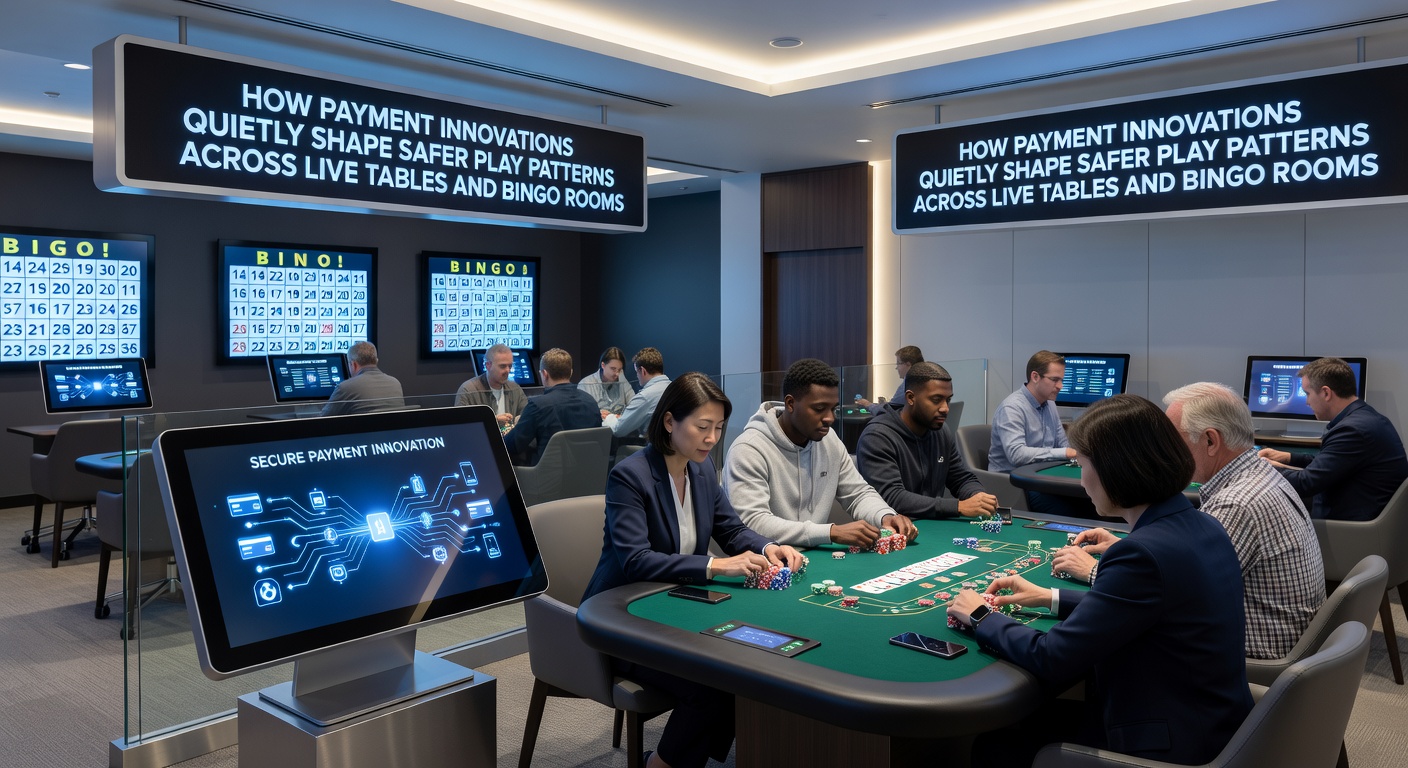
Cross-Regional Evidence and Implementation Patterns
European gaming associations have tracked similar outcomes after several jurisdictions required real-time payment reporting, and the resulting datasets reveal that withdrawal requests processed instantly correlate with fewer instances of extended play beyond planned budgets. In Australia, state-level reviews of electronic bingo systems found that integrated payment logs helped venues comply with harm-minimization guidelines by flagging accounts that triggered multiple limit resets within a single week.
Industry reports emphasize that these tools function best when combined with clear player education materials, because awareness of the available controls increases their usage. Venues that display simple on-screen explanations of limit settings alongside the payment interface tend to record higher opt-in rates for those features.
Operational Benefits for Venues and Regulators
Operators gain streamlined reconciliation processes when payments flow through unified digital channels, and regulators receive standardized data feeds that support compliance checks without additional manual audits. In May 2026, several Canadian provinces expanded requirements for real-time transaction reporting at licensed bingo facilities, which aligned with updates already in place for live table environments. The alignment created consistent oversight frameworks across different game types.
Security improvements from reduced cash handling also appear in venue audits, since digital trails replace physical chip or ticket exchanges. This shift lowers shrinkage risks while providing clearer trails for any disputed transactions that arise during high-volume periods.
Conclusion
Payment innovations continue to embed themselves into the infrastructure of live tables and bingo rooms through features that promote visibility, control, and efficiency. Data collected across multiple regions shows measurable shifts in session behaviors when these tools operate alongside traditional game formats, and the patterns hold whether the setting involves high-stakes table play or community bingo nights. Continued adoption depends on clear integration and ongoing regulatory alignment that keeps player information accessible without disrupting the core experience of the games themselves.