Tracing Bonus Pathways: How Withdrawal Timelines Shape Self-Limiting Habits Across Live Dealer and Poker Venues
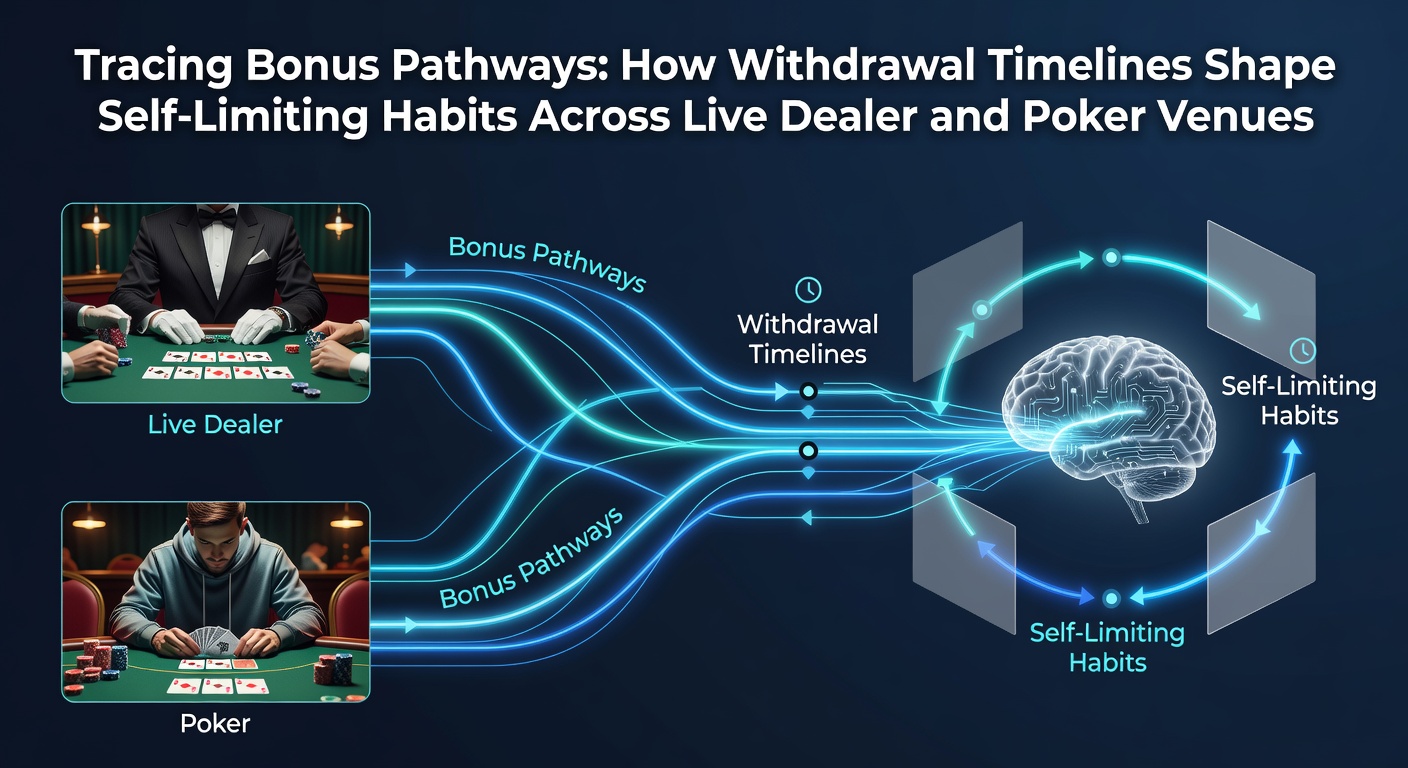
Bonus structures in live dealer and poker environments create distinct pathways that players follow from initial deposit through to cashout, and withdrawal timelines play a central role in how those pathways develop over time. Observers note that when funds from bonuses remain locked behind processing periods that stretch from 24 hours to several business days, individuals adjust their betting patterns accordingly, often setting internal limits that reduce overall session length or stake size to align with expected release dates.
Bonus Activation and Processing Mechanics
Live dealer platforms typically tie bonus releases to wagering requirements that must clear before any withdrawal request moves forward, whereas poker venues apply similar holds to tournament winnings or cash game bonuses through separate verification steps. Data from industry reports shows these requirements frequently combine playthrough multiples with time-bound conditions, creating sequences where players monitor progress through account dashboards while simultaneously deciding whether to continue depositing or pause activity until pending balances clear. Researchers at academic institutions have tracked how these sequences influence repeat engagement rates across different game formats, with longer processing windows correlating to reduced frequency of high-stakes decisions once the initial bonus cycle completes.
Impact on Player Decision Points
Players encounter decision points at each stage of the bonus pathway, and withdrawal timelines directly affect the choices made at those moments. When a live dealer session generates winnings that sit in pending status for 48 hours or more, many participants shift toward lower-risk bets or shorter table sessions rather than extending play, because the delayed access to funds prompts reevaluation of bankroll allocation. Poker sites exhibit parallel patterns where sit-and-go or multi-table tournament bonuses remain unavailable until final tables conclude and verification finishes, leading participants to cap their daily volume or switch to lower buy-in events until the timeline resolves. Figures from regulatory bodies in multiple regions indicate that self-imposed limits on deposit amounts rise noticeably during these waiting intervals, as individuals align new activity with the expected arrival of previously earned funds.
Comparative Timelines Across Venues
Live dealer environments often feature faster initial bonus crediting compared with poker rooms, yet both categories share extended verification stages that stretch overall timelines. A 2025 analysis conducted by European gaming research groups found that average withdrawal windows for live dealer winnings ranged between one and three business days after requirement completion, while poker bonus releases averaged two to five days when identity checks and game history reviews overlapped. These differences produce venue-specific habit formations: live dealer users tend to maintain steady session rhythms interrupted only by the final payout step, whereas poker participants frequently insert deliberate breaks between tournaments once bonus funds enter processing queues. What's interesting is how these patterns hold across regions, with Canadian provincial data and Australian state-level statistics revealing similar adjustments regardless of local licensing frameworks.
Habit Formation Through Timeline Awareness
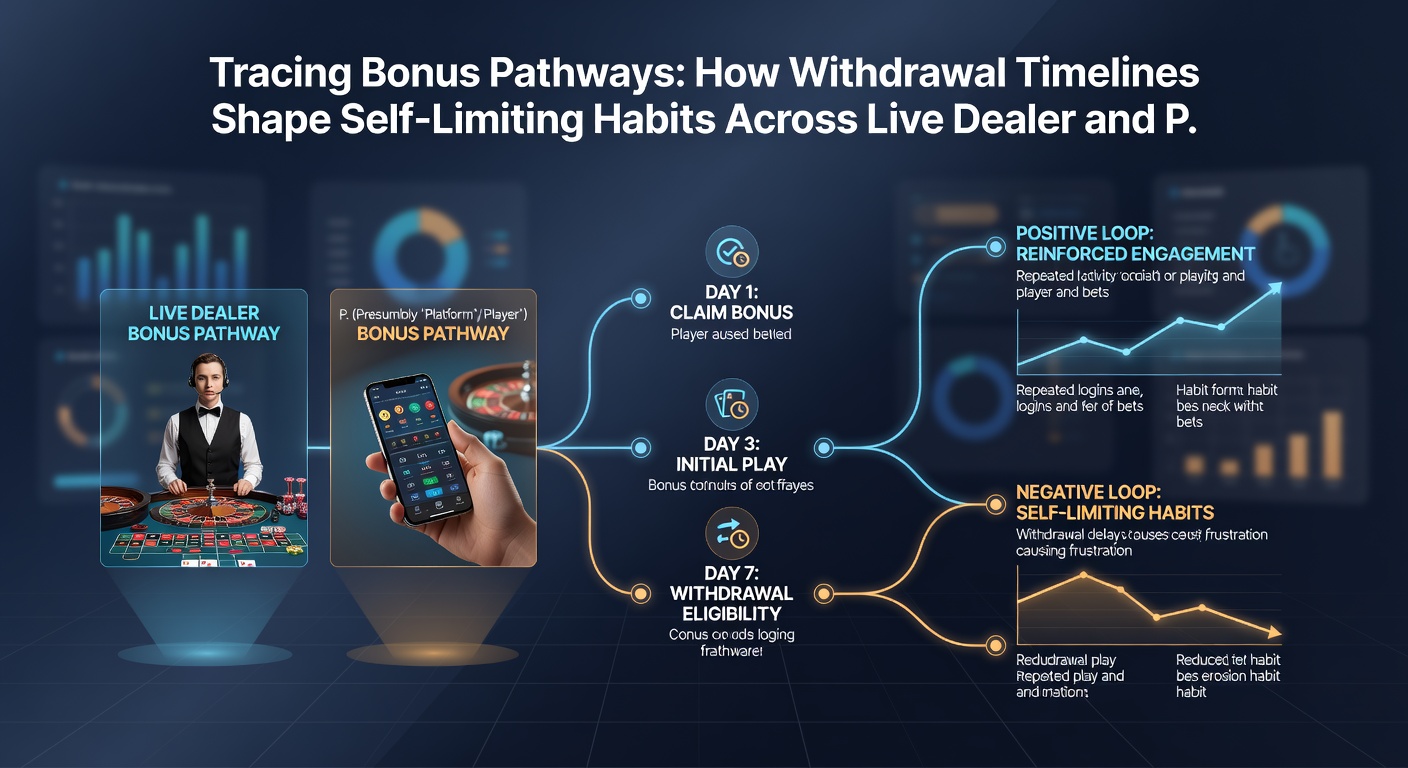
Repeated exposure to fixed withdrawal timelines encourages players to internalize pacing strategies that become self-limiting by design. One documented case involved participants on a major international poker network who began scheduling tournament entries around known processing windows, resulting in reduced total hours spent at tables during any single calendar week. Live dealer users display comparable behavior when they reserve portions of their bankroll specifically for post-withdrawal periods, effectively creating buffer zones that prevent continuous play cycles. Studies from university gambling research centers highlight that these adjustments emerge without external mandates, driven instead by the predictable structure of bonus release dates and the practical need to manage available liquidity between deposits and payouts.
Regulatory Context in Mid-2026
By June 2026 several jurisdictions outside the UK began implementing updated transparency rules around bonus disclosure and payout speed reporting, requiring operators to publish average processing durations for both live dealer and poker products. These measures build on earlier frameworks established by bodies such as the International Association of Gaming Regulators and align with findings from independent audits that link clearer timeline information to more consistent player limit-setting. Operators responded by updating account interfaces to display real-time status indicators, which in turn allowed users to plan session lengths around confirmed release windows rather than estimates. Evidence from these markets shows modest declines in extended play sessions once the new reporting standards took effect, particularly among users who previously encountered unexpected delays.
Cross-Venue Patterns and Data Trends
Comparative data across platforms reveals that poker bonus pathways tend to generate more pronounced self-limiting responses than live dealer equivalents when withdrawal timelines exceed four days. This stems from the episodic nature of poker events versus the continuous flow of dealer tables, where players can more easily resume after short pauses. Reports issued by North American research consortia document that individuals who track bonus progress through mobile notifications exhibit stronger adherence to personal deposit caps during pending periods, suggesting that visibility into timelines reinforces the habit loop. And yet the same datasets indicate that shorter, automated payout options introduced on select sites reduce the intensity of these self-imposed restrictions, returning activity levels closer to pre-bonus baselines once funds become immediately accessible.
Conclusion
Withdrawal timelines embedded in bonus structures across live dealer and poker venues consistently shape how participants regulate their own engagement levels, producing measurable shifts in session duration, stake sizing, and deposit frequency. These effects appear across multiple regulatory environments and persist even as processing speeds improve through technological upgrades. Observers continue to monitor how evolving disclosure requirements and interface enhancements interact with these established patterns, noting that transparent timeline information supports rather than disrupts the self-limiting mechanisms players already employ.