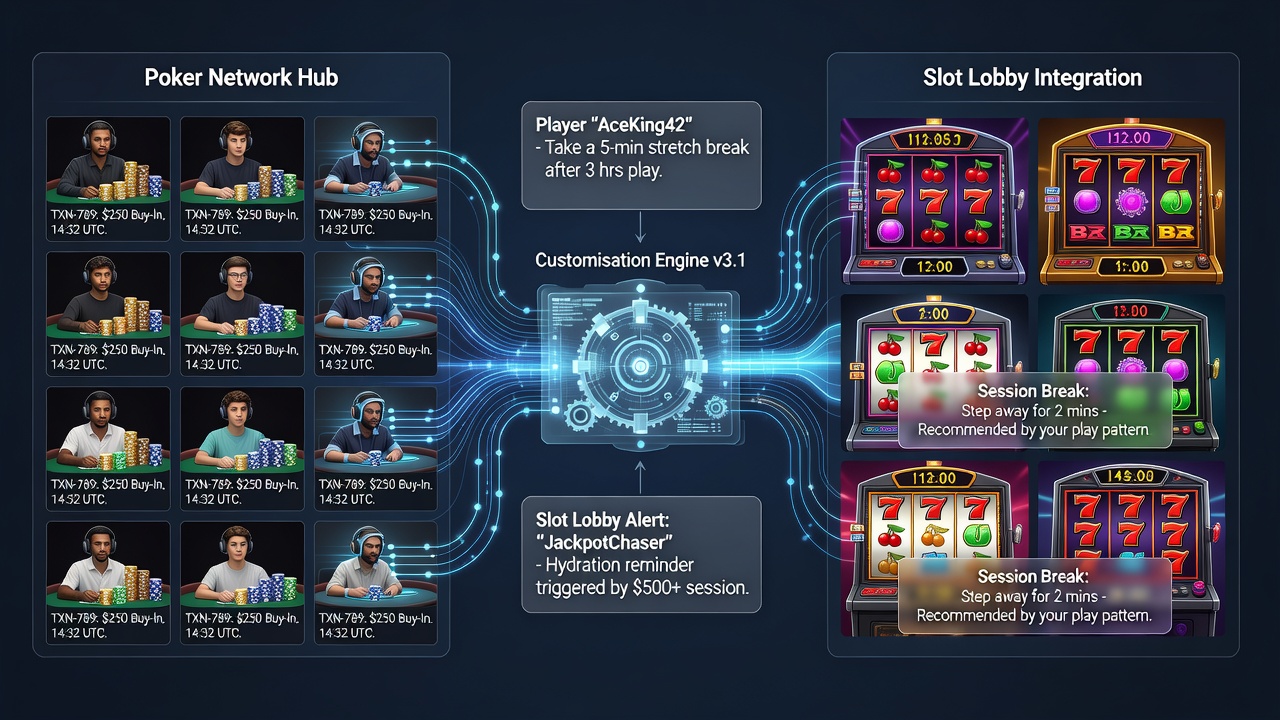
Transaction Histories Powering Custom Break Prompts Across Poker Networks and Slot Environments
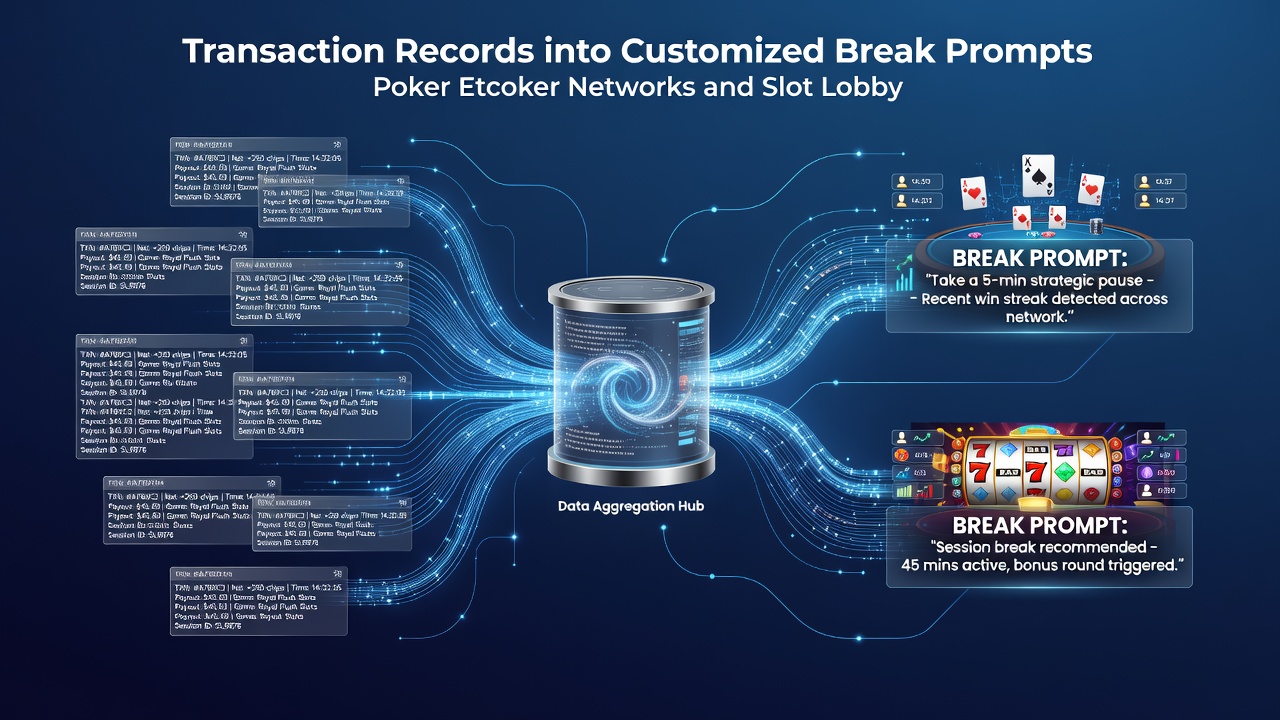 Transaction records form the backbone of customized break prompts that appear during play on poker networks and slot platforms. Deposits, withdrawals, bet amounts, and win patterns feed directly into algorithms that adjust when and how these reminders surface for individual users. Observers note that this integration allows platforms to tailor interventions based on spending velocity rather than relying on fixed time intervals alone. Payment flows provide the raw material. Each deposit registers a starting point, while subsequent bets and cash-outs build a running profile of activity levels. Systems track frequency of large stakes alongside patterns of rapid re-deposits after losses, then cross-reference these against historical session data to predict when fatigue or extended play might occur. Researchers discovered that such metrics enable prompts to activate earlier for high-velocity players and later for those maintaining steadier pacing.
Data Processing in Poker Networks
Poker environments process transaction streams through real-time analytics engines that monitor hand volume and stake progression. Fast-fold variants generate dense data points because players cycle through more hands per hour, so break prompts adjust based on cumulative buy-ins within short windows. One study revealed that networks adjust pop-up timing when deposit spikes exceed a player's established baseline, prompting a pause before the next blind level or tournament entry. Stake surges receive particular attention. When transaction logs show repeated top-ups at escalating amounts, algorithms flag potential escalation and insert customized messages that reference the player's recent activity volume. These prompts often suggest a break scaled to the session's intensity, such as a 15-minute pause after three consecutive deposits above a certain threshold. Data indicates this approach reduces the likelihood of uninterrupted high-stakes sequences across multiple tables.Adaptations Within Slot Lobbies
Slot platforms apply similar logic but calibrate around spin frequency and bonus round engagement. Transaction records capture the rate at which credits convert into wagers, allowing systems to detect clusters of rapid spins following deposits. Customized breaks then appear after patterns that exceed a user's typical session length or total wagered amount. Bonus-triggered play creates additional data layers. When players activate free spins or multipliers funded by recent deposits, the system logs the transition and may trigger a prompt once the bonus cycle ends if overall spend has accelerated. Figures reveal that these tailored interventions align more closely with individual risk signals than generic time-based checks.