UK Treasury Overlooked DCMS Warnings Before Rolling Out Steep Gambling Tax Increases
UK Treasury Overlooked DCMS Warnings Before Rolling Out Steep Gambling Tax Increases

The Autumn Budget Announcement That Caught Eyes
Observers in March 2026 took note when details emerged showing the UK Treasury moved forward with significant gambling tax hikes in the Autumn Budget, despite prior alerts from the Department for Culture, Media and Sport (DCMS); the changes include bumping the remote gaming duty from 21% up to 40% starting April 2026, while a fresh 25% general betting duty targets remote sports betting—excluding horse racing—from April 2027. Those who've followed the sector closely point out how this decision surfaced through Freedom of Information requests, revealing internal debates that the Treasury apparently set aside. Data from the Office for Budget Responsibility (OBR) underscores the fiscal angle, yet the full picture involves broader ripple effects across the industry.
Experts tracking government fiscal moves highlight that such tax adjustments aim to capture more revenue from a booming remote gambling market, but here's the thing: internal government analysis painted a more cautious outlook long before the announcement. The Treasury's push ahead, even as DCMS flagged concerns, has sparked discussions among stakeholders who see potential pitfalls in the numbers and long-term impacts.
DCMS Analysis Raises Red Flags on Revenue Projections
DCMS researchers delved into projections from the Social Market Foundation report, questioning the ambitious £2 billion revenue forecast tied to these tax hikes; instead, their review suggested the figures might not hold up under real-world pressures like operator adjustments or customer behavior shifts. The OBR, tasked with independent forecasting, pegged the haul at £1.1 billion over the medium term, while noting explicit risks such as punters and operators drifting toward illegal markets, which could erode that yield substantially.
What's interesting here is how DCMS didn't stop at the numbers; they outlined wider concerns, including anticipated job losses in an industry already navigating tight regulations, reduced investment from operators wary of squeezed margins, and specific harm to the horseracing sector that relies heavily on betting revenue streams. Take one case where industry analysts have long observed horseracing's dependence on licensed bets—any shift could strain funding for races, prize money, and rural economies tied to tracks, since the new duty carves out horse racing but remote gaming duties hit casino-style play hard.
And yet, the Treasury pressed on, announcing the measures without incorporating those DCMS insights fully, according to documents obtained via FOI; this disconnect has those in the know scratching their heads, especially as March 2026 brings fresh scrutiny amid ongoing budget implementation talks.
Industry Voices Echo the Warnings
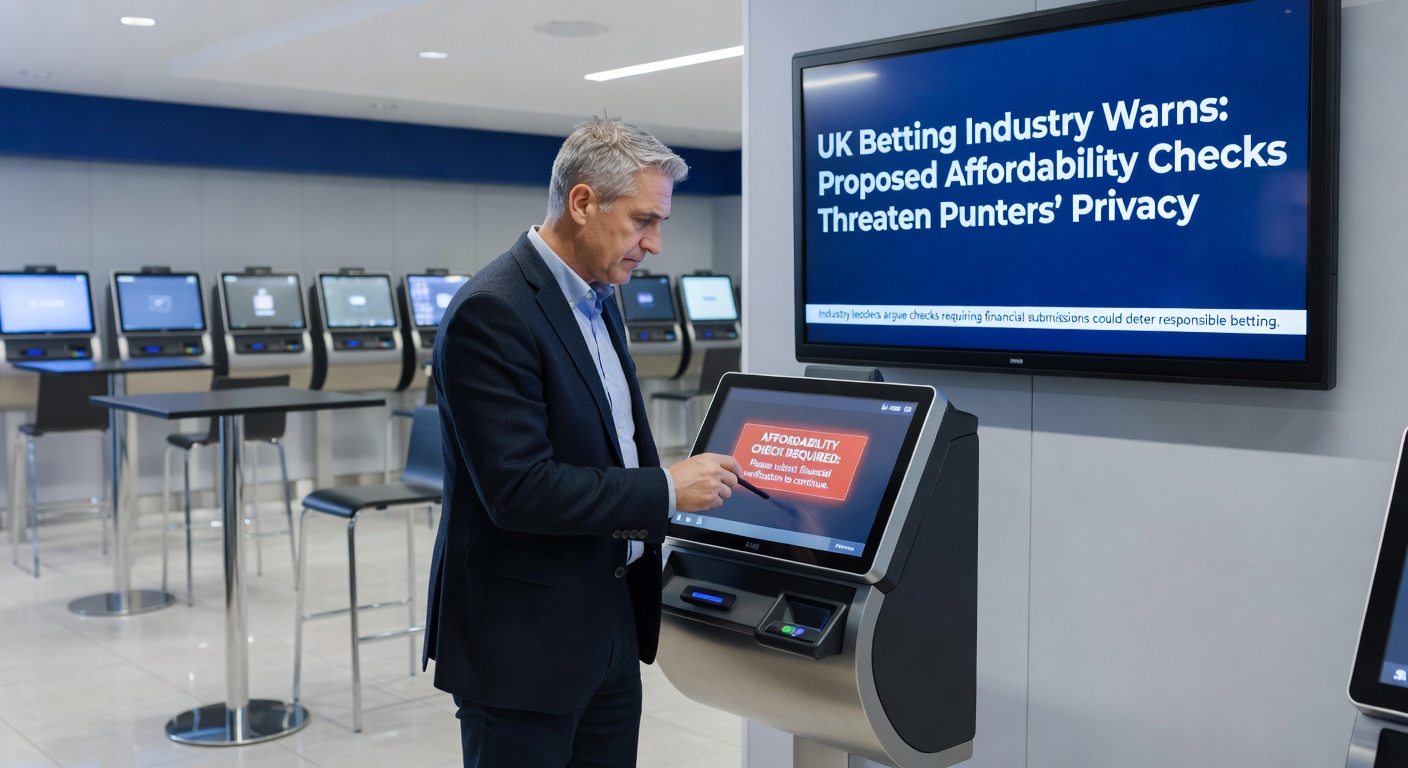
Representatives from the Betting and Gaming Council (BGC) have been vocal, highlighting how these tax hikes—jumping remote gaming duties to 40% and adding a 25% levy on non-horse remote sports bets—could drive customers straight to unlicensed operators lurking offshore; BGC data indicates that black market growth often follows such steep increases, with punters chasing better odds or avoiding taxes altogether. People who've studied past tax shifts, like those in other European markets, often discover similar patterns where legal operators lose ground fast, leading to lost tax revenue down the line and heightened risks for consumers without regulatory protections.
Turns out, the OBR echoed this in their forecasts, warning that behavioral changes might slash the projected £1.1 billion; for instance, if operators relocate servers abroad or players opt for unregulated sites, the Treasury's windfall shrinks, while enforcement costs climb. DCMS analysis (via FOI request) went further, projecting not just fiscal shortfalls but tangible hits: thousands of jobs at risk in call centers, tech, and compliance roles; billions in stalled investments that operators earmark for safer gambling tools; and a horseracing industry, already lean, facing levy shortfalls that could idle tracks or cut purses.
So, as April 2026 looms with the remote gaming duty hike, industry watchers monitor early signs—some operators tweaking promotions already, while BGC pushes for dialogue; it's not rocket science that high taxes without offsets can backfire, yet the government's bet seems locked in for now.
Breaking Down the Tax Mechanics and Timelines
The remote gaming duty, which covers online slots, casino games, and poker, surges from 21% to 40% come April 2026, hitting gross gambling yield directly and likely prompting operators to rethink pricing or game offerings; meanwhile, the new 25% general betting duty zeroes in on remote sports betting excluding horse racing from April 2027, leaving land-based and horse bets untouched but squeezing digital football, tennis, and other sports wagers. Observers note this carve-out protects racing's core revenue, yet DCMS warned even that might not suffice if overall betting volumes dip industry-wide.
Consider how one major operator might respond: hiking margins to absorb the 40% duty could deter casual players, funneling them to apps without UK oversight; studies from similar hikes elsewhere reveal participation drops of 10-20% initially, with illegal take-up filling the gap. The Treasury's apparent dismissal of DCMS memos—detailed in FOI releases—shows internal emails urging caution on the £2 billion SMF projection, which assumed steady market growth without elasticities like offshore flight.
But here's where it gets interesting: OBR figures, more conservative at £1.1 billion, factor in those dynamics, projecting a 5-10% market contraction; add job losses—potentially 10,000+ per BGC estimates—and investment pauses, and the social costs mount, all while DCMS analysis sat on the table pre-announcement.
Broader Implications as Implementation Nears
Now, with March 2026 underway and April deadlines approaching, stakeholders from Parliament to punters weigh the fallout; BGC campaigns stress that licensed operators fund problem gambling support via levies, a buffer unlicensed sites skip entirely. Researchers who've modeled this find that for every £1 shifted offshore, governments lose £0.30-0.50 in net taxes long-term, complicating the Treasury's math further.
Those in the horseracing community, from trainers to bookmakers, voice relief at the exclusion but anxiety over spillover—fewer sports bettors might mean less cross-over to racing, straining the £100 million+ annual betting levy. DCMS flagged this precisely, yet the Budget rolled out unchanged; it's noteworthy that such inter-departmental friction isn't new, but the scale here, with billions at stake, draws extra attention.
Examples abound from history: Australia's 2017 online betting levy spurred a 15% black market uptick per government audits, mirroring OBR concerns; UK operators, facing 40% duties, might innovate with geo-blocks or bonuses, but DCMS predicted investment chills would slow those efforts.
Key Takeaways and the Path Forward
In wrapping up, the revelation of ignored DCMS warnings underscores a bold Treasury gamble on £1.1 billion from tax hikes set for 2026-2027, amid projections questioned and risks like illegal shifts, job cuts, and horseracing strains; industry bodies like BGC keep the pressure on, advocating offsets or reviews as April nears. While the changes stand firm, ongoing FOI disclosures and OBR monitoring will track if revenues hit marks or if adjustments loom— the ball's in the government's court now, with the sector watching closely.
Figures reveal a complex balance: 40% remote gaming duty from April 2026, 25% sports betting levy in 2027, all post-DCMS pushback; stakeholders anticipate data soon to gauge early impacts, ensuring the story evolves beyond the initial Budget fanfare.