Verification Checks and Bonus Access Patterns Across UK Online Gambling Platforms
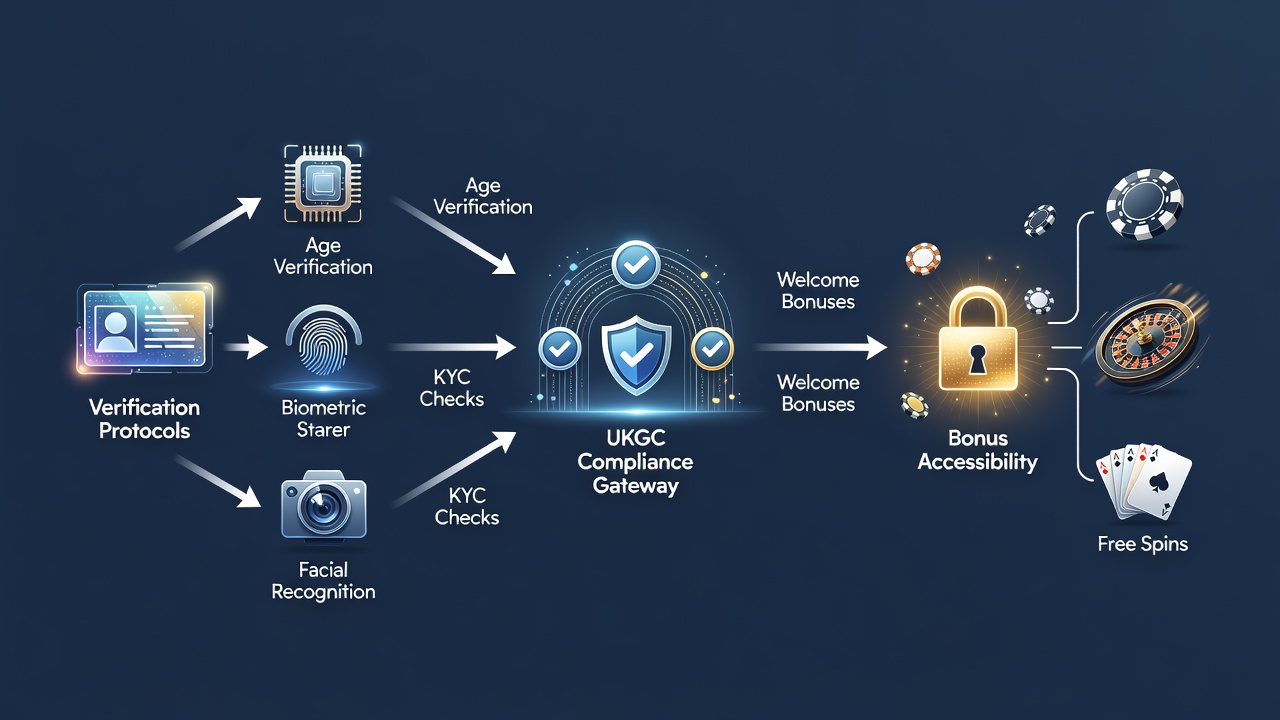
Operators in the UK market require multiple layers of identity confirmation before players can claim or cash out promotional offers, and these steps often determine how quickly rewards become available. Age verification, address confirmation, and payment method checks form the core sequence that most sites follow, while bonus terms add further conditions such as minimum deposit amounts and wagering thresholds that must align with completed verification.
Core Elements of Verification in UK Venues
Platforms collect government-issued identification, proof of address, and sometimes source-of-funds declarations, and these documents undergo automated scans followed by manual review in many cases. Research from the University of Nevada, Las Vegas Center for Gaming Research indicates that similar multi-stage checks reduce unauthorised access across regulated markets, and UK operators apply comparable standards to maintain license compliance. The process typically spans a few hours to several days depending on document quality and peak submission volumes, while incomplete submissions trigger additional requests that extend timelines further.
Payment verification adds another checkpoint because cards or e-wallets must match the registered name and address, and mismatches halt bonus activation until resolved. Observers note that sites increasingly integrate biometric options like facial scans through third-party providers, yet these tools still require an initial document upload to establish the baseline profile.
Bonus Structures and Their Verification Dependencies
Welcome packages, free spin allocations, and cashback deals each carry specific accessibility rules tied to verification status, and many operators withhold bonus credit until full approval clears. Deposit match offers often activate only after the first verified transaction processes successfully, whereas no-deposit bonuses may credit immediately but remain locked from withdrawal until identity checks complete. Data compiled by the European Gaming and Betting Association shows that platforms enforcing stricter upfront verification see higher completion rates for bonus-related playthrough requirements, since players who finish checks early tend to engage more consistently with promotional balances.
Seasonal promotions around major sporting events in July 2026 followed the same pattern, with operators sending verification reminders alongside bonus announcements to reduce drop-off. Players who submitted documents in advance reported smoother access to limited-time offers, while last-minute submissions sometimes missed the promotional window entirely.
Common Friction Points and Resolution Patterns
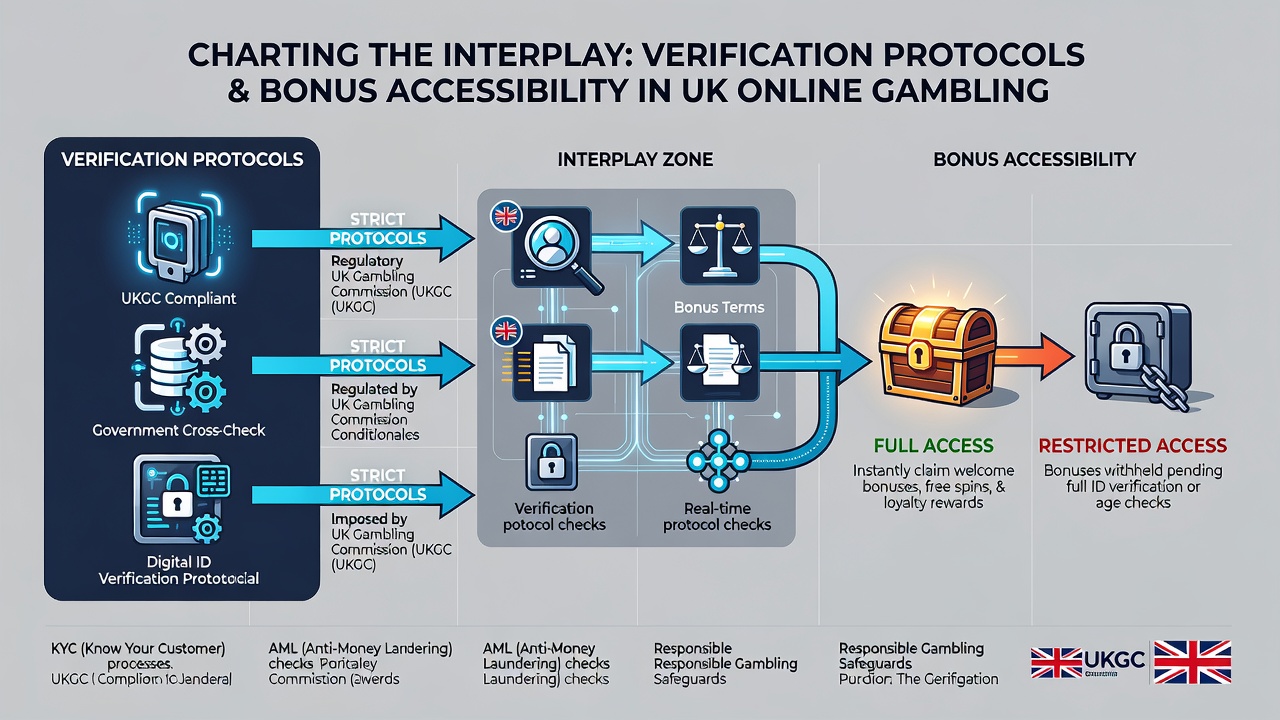
Delays frequently arise when names on documents differ slightly from payment details or when address proofs show outdated information, and sites usually provide clear guidance on acceptable alternatives such as utility bills or bank statements. Automated systems flag high-risk indicators like VPN usage or mismatched IP locations, prompting extra manual checks that can pause bonus availability for 24 to 72 hours. Those who have navigated these systems multiple times often prepare scanned copies of recent documents in advance, which shortens the overall timeline once an account opens.
Self-exclusion tools and reality-check features sometimes intersect with verification records, since operators cross-reference active accounts against national databases before unlocking any promotional features. Industry reports highlight that consistent verification records help platforms apply these responsible gambling measures more accurately across multiple sites.
Regional Comparisons and Emerging Practices
Approaches in other jurisdictions provide context for UK developments, with Canadian provincial regulators requiring similar document sets yet allowing partial bonus access during pending reviews in certain provinces. Australian state frameworks emphasise source-of-funds checks for larger bonus claims, and these models influence some UK operators that serve international audiences. Academic papers from the University of Sydney's Gambling Research Unit document how streamlined verification correlates with improved player retention on promotional offers across multiple markets.
UK venues continue testing digital wallet integrations that pre-verify users through banking partners, and early adopters of these systems report faster bonus activation once the initial link completes. The interplay remains dynamic as technology and regulatory expectations evolve together.
Conclusion
Verification protocols directly shape when and how bonuses become usable on UK online gambling platforms, creating a sequence where identity confirmation precedes reward access in most cases. Operators balance security requirements against player convenience through improved automation and clearer instructions, while data from independent research bodies shows measurable effects on completion rates and engagement patterns. The relationship between these two elements continues to develop as new tools and standards emerge across the sector.